Don’t Buy an Inverter Until You Know These Common Mistakes
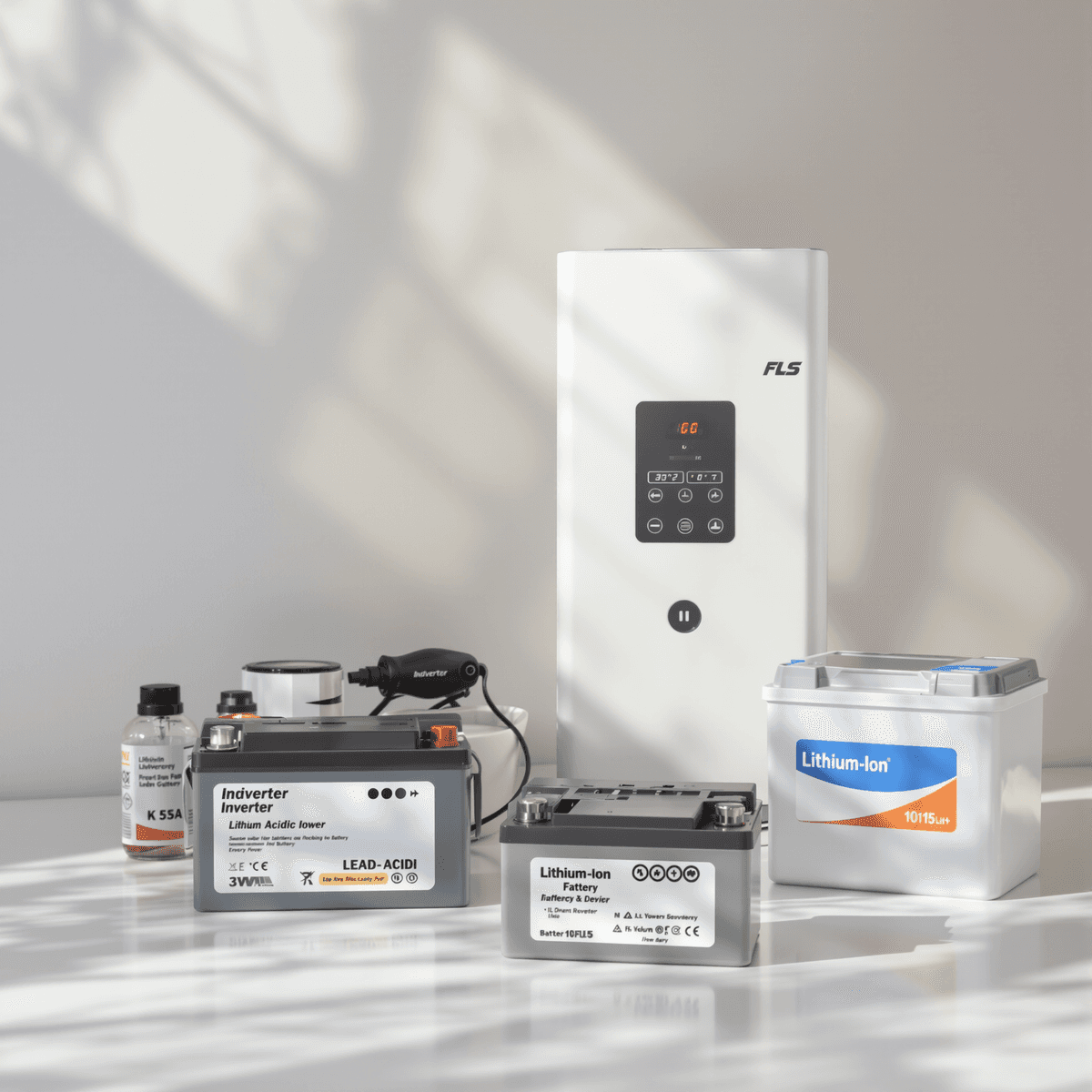
Close-up of a modern inverter and various batteries on a clean surface, softly lit to highlight their shapes and details, symbolizing energy technology.
Don’t Buy an Inverter Until You Know These Common Mistakes
Introduction
Power outages are a daily reality for millions of people in Nigeria, making inverter systems an essential investment for homes and businesses. However, in the rush to secure backup power, many buyers fall into costly traps that could have been easily avoided.
The Nigerian market presents unique challenges when purchasing an inverter system. Buyers must navigate through numerous product options and deal with inconsistent quality standards. These decisions can either lead to years of reliable power or result in frustrating breakdowns and unexpected expenses. Knowing what to watch out for before you buy can make the difference between a smart purchase and an expensive mistake.
For example, choosing the wrong battery type can significantly reduce your system's lifespan. Similarly, if you select an incorrectly sized inverter, you may find yourself without power during critical moments or spending more money on unnecessary capacity. These are not just hypothetical problems they are real issues that many Nigerian consumers face every day.
By understanding the top mistakes to avoid when buying an inverter system, you can make informed decisions that protect your investment. Whether you're looking into pure sine wave inverters or comparing battery options, being aware of these common inverter buying mistakes will lead to better performance, lower maintenance costs, and genuine peace of mind. With the right knowledge, what seems like a complicated purchase becomes a simple journey towards reliable backup power.
Understanding Inverter Systems and Their Components
An inverter system converts direct current (DC) electricity stored in batteries into alternating current (AC) electricity that powers your household appliances. Think of it as the bridge between stored energy and usable power without it, your batteries would be useless for running standard electrical devices.
The heart of any reliable power backup solution lies in understanding its core inverter components. At the most basic level, you need two essential elements: the inverter unit itself and a battery bank. The inverter handles the conversion process, while batteries store the electrical energy for use during power outages. Additional components like charge controllers, cables, and circuit breakers complete the system, but the inverter and battery pairing determines your system's overall capability.
Types of Inverters: Why Pure Sine Wave Matters
Not all inverters produce the same quality of electricity. The market offers three main types:
- Modified sine wave inverters - produce a stepped waveform that approximates AC power
- Square wave inverters - generate the most basic form of AC power
- Pure sine wave inverters - create smooth, grid-quality electricity identical to what NEPA supplies
Pure sine inverters stand out as the gold standard for Nigerian homes and businesses. These units generate clean, stable power that protects sensitive electronics like laptops, medical equipment, refrigerators, and air conditioners from damage. Modified and square wave inverters may cost less initially, but they can cause motors to run hot, create annoying humming sounds in audio equipment, and potentially shorten the lifespan of your appliances.
Xstore's collection focuses exclusively on pure sine wave inverters because they deliver the reliability and equipment protection Nigerian consumers need. When your refrigerator compressor, television, or phone charger receives the same quality power as grid electricity, you eliminate the risk of premature failure and costly repairs. The battery you pair with your pure sine inverter determines how long your backup power lasts, making the battery selection just as critical as choosing the right inverter capacity.
Common Mistakes When Buying an Inverter System in Nigeria
Purchasing an inverter system represents a significant investment for Nigerian households and businesses. Yet many buyers unknowingly make critical errors that compromise performance, inflate costs, and shorten equipment lifespan. Understanding these common inverter mistakes Nigeria residents make helps you avoid expensive pitfalls and secure reliable backup power.
1. Choosing the Wrong Battery Type
The battery forms the heart of your inverter system, storing energy for use during power outages. Battery selection mistakes rank among the most costly errors when buying an inverter system. Two primary battery technologies dominate the Nigerian market: lead-acid and lithium-ion batteries. Each offers distinct advantages and limitations that directly impact your system's performance.
Lead-Acid vs Lithium-Ion Batteries: Understanding the Differences
Lead-acid batteries have powered inverter systems for decades. These traditional batteries come in two variants: flooded (requiring regular water top-ups) and sealed maintenance-free versions. They offer lower upfront costs, making them attractive to budget-conscious buyers. Local technicians possess extensive experience servicing these batteries, and replacement parts remain readily available across Nigeria.
However, lead-acid batteries demand regular maintenance, occupy substantial floor space, and typically last only 2-4 years under Nigerian usage patterns. Their efficiency drops in extreme heat, a critical consideration given Nigeria's tropical climate.
On the other hand, lithium-ion batteries represent newer technology with superior performance characteristics. These advanced batteries deliver consistent power output throughout their discharge cycle, unlike lead-acid batteries that experience voltage drops. They occupy less space, weigh significantly less, and tolerate deeper discharge cycles without damage.
Weighing the Pros and Cons
Lead-acid batteries appeal through their affordability and widespread availability. Repair services exist in virtually every Nigerian city. However, they demand regular maintenance, occupy substantial floor space, and typically last only 2-4 years under Nigerian usage patterns. Their efficiency drops in extreme heat, a critical consideration given Nigeria's tropical climate.
Lithium-ion batteries eliminate maintenance requirements entirely. They last 8-15 years, charge faster, and operate efficiently in hot conditions. Their higher energy density means you need fewer batteries for equivalent storage capacity. The primary drawback remains their premium price point typically 2-3 times the cost of lead-acid alternatives.
How Wrong Battery Selection Impacts Your Investment
Selecting an inappropriate battery type creates cascading problems. A business choosing lead-acid batteries for critical 24/7 operations may face frequent replacements and unexpected downtime due to their shorter lifespan and higher maintenance needs as outlined in this comprehensive guide to buying forklift batteries. Conversely, a household with minimal power needs investing in expensive lithium-ion batteries wastes money on unnecessary capacity and features. The wrong choice affects maintenance schedules, replacement frequency, and overall system efficiency turning what should be a solution into an ongoing headache.
2. Incorrect Inverter System Size Calculation
Inverter sizing Nigeria represents one of the most critical yet frequently mishandled aspects of buying an inverter system. Many Nigerian consumers rush into purchases without properly calculating their power requirements, leading to frustrating experiences and wasted investments.
Calculating Battery Capacity: The Foundation
To determine the correct battery capacity calculation, you need two essential pieces of information: your total load (in watts) and desired backup hours. The formula is straightforward:
Battery Capacity (Ah) = (Total Load × Backup Hours) ÷ (Battery Voltage × Depth of Discharge × Inverter Efficiency)
For example, if you're running 1,000 watts of appliances for 5 hours on a 12V system with 80% depth of discharge and 90% inverter efficiency:
- Battery Capacity = (1,000W × 5h) ÷ (12V × 0.8 × 0.9) = 579Ah
The Costly Consequences of Poor Sizing
Under-sizing your inverter system size calculation creates a cascade of problems. Your batteries drain faster than expected, reducing their lifespan through excessive deep discharges. You'll experience unexpected power cuts during critical moments, defeating the entire purpose of your backup system. The inverter may also shut down automatically when demand exceeds capacity, leaving you in darkness.
Over-sizing, while seemingly safer, drains your wallet unnecessarily. You're paying for capacity you'll never use, and larger battery banks require more maintenance. The initial investment balloons without proportional benefits.
Tools for Accurate Sizing
Create a detailed inventory of every appliance you plan to power, noting their wattage and daily usage hours. Many common inverter mistakes Nigeria stem from forgetting about refrigerators, fans, or phone chargers that run continuously. Xstore's product specialists can help verify your calculations, ensuring your pure sine wave inverter matches your actual needs rather than guesswork.
3. Ignoring Component Compatibility
Battery-inverter compatibility is one of the most important yet often ignored factors when purchasing an inverter system. Many Nigerian consumers make the expensive mistake of buying components separately without checking if they are compatible, resulting in integration problems that affect performance and safety.
The Hidden Dangers of Mismatched Components
Pairing an incompatible battery with your inverter creates a cascade of problems. When voltage ratings don't align, the inverter may draw excessive current from the battery, generating dangerous heat levels that accelerate component degradation. A 12V battery connected to a 24V inverter system, for instance, forces the battery to work beyond its design specifications, potentially causing:
- Thermal runaway - Excessive heat buildup that can damage internal battery cells
- Reduced charging efficiency - The battery never reaches full capacity, limiting backup time
- Premature component failure - Both the inverter and battery experience shortened lifespans
- Voided warranties - Manufacturers typically exclude damage from incompatible pairings
Ensuring Optimal System Performance
Common inverter mistakes Nigeria consumers make include assuming all batteries work with all inverters. The reality demands careful attention to technical specifications. Your inverter's charge controller must match your battery chemistry lithium-ion batteries require different charging profiles than lead-acid types. Using the wrong charging algorithm can prevent batteries from reaching full capacity or cause overcharging damage.
When buying an inverter system, verify these compatibility factors:
- Voltage ratings match exactly (12V, 24V, or 48V systems)
- Charge controller supports your specific battery chemistry
- Inverter capacity (VA rating) aligns with battery discharge capabilities
- Communication protocols work together for smart monitoring features
Xstore's pure sine wave inverters come with detailed compatibility guidelines, helping you avoid these mistakes when buying inverter system Nigeria components.
4. Prioritizing Price Over Quality
One of the most common mistakes consumers make when buying an inverter system in Nigeria is choosing to save money upfront. While it's important to consider your budget, opting for the cheapest option often turns out to be a costly lesson in false economy.
The Hidden Cost of Cheap Inverters
Low-priced inverter systems usually cut corners on essential parts. These budget options often use low-quality materials, inferior circuitry, and poorly made batteries that wear out quickly in Nigeria's harsh power conditions. What seems like a savings today ends up being a cycle of replacements within 12-18 months, multiplying your initial investment several times over.
Consider this scenario: A budget inverter costing ₦45,000 might need replacement twice within three years, totaling ₦135,000. A quality pure sine wave inverter from Xstore at ₦85,000 with a 5-year warranty delivers uninterrupted service throughout the same period saving ₦50,000 while eliminating the frustration of repeated failures.
Quality Delivers Measurable Returns
Investing in dependable inverters with top-notch batteries brings tangible benefits:
- Extended lifespan: Premium lithium-ion batteries last 8-10 years versus 2-3 years for cheap lead-acid alternatives
- Consistent performance: Quality systems maintain stable power output without voltage fluctuations that damage sensitive electronics
- Comprehensive warranties: Reputable manufacturers back their products with 5-10 year guarantees, protecting your investment
- After-sales support: Access to technical assistance and replacement parts when needed
When comparing quality vs price inverter batteries, look at the total cost of ownership instead of just the sticker price. Consider how often you'll need to replace them, what maintenance they'll require, and any potential damage they could cause to connected appliances. This comprehensive approach to how to choose inverter system Nigeria shows that premium products offer better value even though they have higher upfront costs.
5. Overlooking Essential Safety Features
When buying an inverter system in Nigeria, many consumers focus solely on power output and price, completely ignoring the built-in safety mechanisms that separate reliable equipment from potential hazards. This oversight represents one of the most dangerous common inverter mistakes Nigeria residents make, as inadequate safety features can lead to equipment damage, fire risks, and even personal injury.
Critical Protection Systems You Cannot Afford to Skip:
Overcharge and Discharge Protection
Quality inverters include intelligent battery management systems that prevent overcharging during peak charging hours and deep discharge during extended power outages. Without these safeguards, your batteries deteriorate rapidly, losing up to 50% of their expected lifespan within the first year. When evaluating how to choose inverter system Nigeria options, verify that the unit actively monitors voltage levels and automatically disconnects when thresholds are reached.
Short-Circuit Prevention
Electrical faults happen without warning. Inverters equipped with short-circuit protection immediately cut power flow when detecting abnormal current spikes, preventing catastrophic failures that could destroy your entire system. This feature is particularly vital in areas with unstable grid power, where voltage fluctuations are common.
Thermal Management Systems
Nigeria's tropical climate puts additional stress on electrical equipment. Advanced inverter safety features include temperature sensors and cooling mechanisms that prevent overheating during continuous operation. Systems without proper thermal management often fail during the hottest months when you need backup power most.
The pure sine wave inverters available at Xstore incorporate multiple layers of protection, ensuring your investment remains secure while delivering consistent performance. These safety elements work silently in the background, extending equipment life and protecting your home from electrical hazards that cheaper alternatives simply cannot prevent.
6. Neglecting Warranty and After-Sales Support Considerations
The excitement of purchasing an inverter system often overshadows one of the most critical aspects of the investment: warranty coverage and after-sales support. This represents one of the common inverter mistakes Nigeria consumers make, potentially costing thousands in repairs or replacements down the line.
Understanding Component Warranty Periods
Different components in your inverter system come with varying warranty periods:
- Inverters: Quality pure sine wave inverters typically offer 5–10 years of warranty coverage
- Batteries: Lead-acid batteries usually carry 1–3 year warranties, while lithium-ion options may extend to 5–10 years
- Charge Controllers: Generally covered for 2–5 years
When buying an inverter system, many Nigerian consumers focus solely on the initial price tag without examining what happens if something goes wrong. A cheaper system with minimal warranty coverage can quickly become expensive when components fail prematurely.
The Real Value of After-Sales Support
Accessible after-sales service separates reliable suppliers from fly-by-night operators. The warranty importance inverter systems cannot be overstated, particularly in Nigeria's challenging power environment where systems work harder than in countries with stable grids.
Quality after-sales support Nigeria should include:
- Responsive customer service teams that understand local conditions
- Available replacement parts without lengthy import delays
- Technical support for troubleshooting issues
- Clear warranty claim processes with local backing
Before committing to any purchase, verify the supplier maintains physical service centers or authorized technicians in your region. A 10-year warranty means nothing if the company disappears after two years or requires shipping components overseas for repairs. This consideration proves especially vital when buying inverter Nigeria errors often stem from choosing suppliers without established local support infrastructure.
Installation Mistakes to Avoid When Buying an Inverter System
Even the highest-quality inverter system can underperform or become a safety liability when improperly installed. Inverter installation Nigeria requires technical expertise that goes beyond simply connecting wires it demands an understanding of electrical systems, load calculations, and safety protocols that only trained professionals possess.
The risks associated with poor installation extend far beyond inconvenience. Incorrectly connected systems can lead to:
- Electrical fires from loose connections or improper grounding
- Battery damage due to reversed polarity or incorrect charging parameters
- Reduced system efficiency resulting in higher electricity costs
- Voided warranties when manufacturers discover non-professional installation
- Personal injury from electrical shocks or equipment malfunction
These installation risks make the decision to hire accredited installers one of the most critical choices in your inverter purchase journey. A qualified installer brings certification, insurance coverage, and accountability three elements that protect your investment and ensure compliance with Nigerian electrical standards.
When evaluating potential installers, verify these essential credentials:
Professional Qualifications
- Electrical engineering certification or relevant technical training
- Proven experience with your specific inverter brand and model
- Membership in recognized electrical trade associations
Business Legitimacy
- Valid business registration and tax identification
- Comprehensive liability insurance coverage
- Physical business address and contact information
Installation Guarantees
- Written warranty on workmanship (typically 1-2 years minimum)
- Clear documentation of all work performed
- Post-installation support and maintenance services
Request references from previous clients and examine completed installations when possible. Reputable installers welcome scrutiny and provide transparent pricing structures without hidden fees. They conduct thorough site assessments before quoting, considering factors like cable routing, ventilation requirements, and optimal battery placement.
The Top Mistakes to Avoid When Buying an Inverter System include treating installation as an afterthought or attempting DIY setup to save costs. Professional installation represents a small percentage of your total system cost while significantly impacting performance, safety, and longevity.
Planning for Future Energy Needs
Your power requirements today won't necessarily match what you'll need in five years.Future-proofing inverter systems Nigeria strategies protect your investment and prevent costly system replacements down the line.
Anticipating Household Growth and Technology Changes
Nigerian households are rapidly adopting new technologies that increase power consumption. The rise of remote work means more computers, monitors, and internet equipment running simultaneously. Smart home devices, additional air conditioning units, and modern kitchen appliances all contribute to growing energy demands. When selecting your inverter system from Xstore, consider these potential additions rather than just your current load.
Electric Vehicle Charging Infrastructure
Electric vehicles are gradually entering the Nigerian market, and early adopters will need dedicated charging solutions. A standard EV charger can draw between 3kW to 7kW of power a significant load that many existing inverter systems cannot handle. Energy demand planning that accounts for EV charging ensures your system can accommodate this technology without requiring a complete overhaul. Look for inverter systems with expandable capacity or modular designs that allow seamless upgrades.
Expandable Battery Storage Options
Battery technology continues improving while prices gradually decrease. Your initial setup might include enough storage for 6-8 hours of backup power, but future expansion could extend this to 12-24 hours. Xstore's pure sine wave inverters support various battery configurations, allowing you to add capacity as your budget permits or needs increase. For instance, integrating solar panels with Fortress Power batteries can significantly enhance your energy storage capabilities.
Consider these expansion scenarios:
- Adding a home office setup requiring 500W-1000W continuous power
- Installing additional refrigeration or cooling systems
- Powering medical equipment for family members with health conditions
- Supporting a small home-based business with specific power requirements
Modular systems offer the flexibility to scale up without replacing core components. This approach spreads costs over time while ensuring your power infrastructure grows alongside your lifestyle and business needs. The initial investment in a quality, expandable system from Xstore pays dividends through reduced future upgrade costs and minimal system downtime during expansions.
Avoiding Scams and Conducting Proper Research Before Purchase
The Nigerian inverter and solar market has unfortunately become a breeding ground for fraudulent activities, making research before buying inverter system absolutely essential. Understanding these solar scams Nigeria helps protect your investment and ensures you get genuine products.
Recognizing Common Inverter Scams
Fraudulent sellers often employ specific tactics to deceive unsuspecting buyers:
- Counterfeit Products: Fake inverters and batteries branded with well-known manufacturer names but containing substandard components that fail within months
- Unrealistic Promises: Claims of "lifetime warranties" or inverters that can power entire buildings with minimal battery capacity
- Advance Payment Schemes: Demanding full payment upfront before delivery, then disappearing or delivering inferior products
- Inflated Capacity Claims: Marketing a 3.5kVA inverter as 5kVA or advertising batteries with exaggerated amp-hour ratings
- Installation-Free Deals: Selling complex systems without proper installation support, leaving buyers with equipment they cannot safely set up
Conducting Thorough Research
Protecting yourself requires diligent investigation before making any purchase:
Verify Seller Credentials
Check business registration with the Corporate Affairs Commission (CAC), read customer reviews on multiple platforms, and request references from previous clients. Established retailers like Xstore maintain physical locations and transparent business practices.
Compare Multiple Quotes
Obtain detailed quotations from at least three different suppliers. Suspiciously low prices often indicate counterfeit products or hidden costs that emerge later.
Request Documentation
Legitimate sellers provide manufacturer specifications, warranty certificates, and compliance documents. Ask for proof of authenticity and authorized dealership status.
Inspect Before Payment
Visit physical stores when possible, examine products for quality indicators like proper labeling and serial numbers, and verify packaging matches manufacturer standards.
Confirm After-Sales Support
Test customer service responsiveness before purchasing. Ask technical questions and gauge their expertise. Reputable companies offer accessible support channels and honor warranty commitments.
In addition to these strategies, it's crucial to stay updated on the latest scams in the market. For instance, there are ongoing discussions about certain scam incidents that have affected buyers recently. Keeping informed can be a valuable tool in avoiding potential pitfalls in your purchase journey.
Understanding Rebates, Incentives & Warranty Details in Nigeria Context
The financial landscape for inverter systems in Nigeria differs significantly from markets in Europe, Australia, or North America. Many buyers make the mistake of expecting inverter rebates Nigeria programs similar to those offered in developed countries, only to discover these incentives rarely exist locally.
Feed-in tariffs and government rebates remain largely absent from Nigeria's renewable energy sector. While some international markets offer substantial cash-back programs or credits for feeding excess power into the grid, Nigerian buyers should focus their attention on the actual purchase terms rather than anticipated government incentives. This reality makes understanding component warranty details Nigeria even more critical for protecting your investment.
Breaking Down Warranty Coverage
One of the top mistakes to avoid when buying an inverter system involves assuming all components carry equal warranty protection. Each part of your system requires separate verification:
Inverter warranties typically range from 5 to 10 years, depending on the manufacturer and model. Pure sine wave inverters from reputable brands often include comprehensive coverage against manufacturing defects and performance degradation.
Battery warranties vary dramatically based on type:
- Lead-acid batteries: 1 to 2 years standard coverage
- Lithium-ion batteries: 5 to 10 years with cycle guarantees
- Deep-cycle batteries: 2 to 5 years depending on brand
Solar panel warranties (if applicable) usually split into two categories: product warranty (10-15 years) and performance warranty (25 years).
The critical question extends beyond warranty duration. Does the warranty include local service support?International warranties become worthless if the manufacturer lacks Nigerian representation. Verify that your supplier maintains physical service centers or authorized repair partners within reasonable distance. Request written documentation specifying:
- Exact warranty periods for each component
- Covered scenarios versus exclusions
- Response time commitments for service calls
- Replacement part availability timelines
- Whether labor costs fall under warranty coverage
Xstore provides transparent warranty information for all pure sine wave inverters, ensuring buyers understand their protection before purchase rather than discovering limitations after installation.
Final Tips Before Buying Your Inverter System from Xstore
Making an informed purchase decision requires careful consideration of several critical factors. These buying tips inverter system Nigeria will help you navigate the selection process confidently.
1. Conduct an Energy Audit
Start with a comprehensive energy audit of your home or business. Document all appliances you plan to power, their wattage ratings, and typical usage hours. This data forms the foundation for accurate system sizing and prevents costly miscalculations.
2. Review Component Specifications
Request detailed specifications for every component before committing to a purchase. At Xstore, our pure sine wave inverters come with complete technical documentation, allowing you to verify compatibility and performance capabilities. Don't hesitate to ask questions about:
- Battery chemistry and cycle life expectations
- Inverter efficiency ratings at different load levels
- Expansion capabilities for future upgrades
- Specific warranty terms for each component
3. Assess Your Site's Electrical Setup
Schedule a site assessment with qualified professionals who can evaluate your electrical infrastructure. Proper installation location, ventilation requirements, and cable sizing significantly impact system performance and safety.
4. Explore Multiple Options
Compare multiple options within your budget range. The best practices buying inverters Xstore involve balancing upfront costs with long-term value. Our team can guide you through different configurations that meet your needs without unnecessary expenditure.
Keep these inverter system buying tips handy when making your selection, and remember that investing time in research pays dividends through years of reliable power backup.
FAQs
What are the common mistakes to avoid when buying an inverter system in Nigeria?
Common mistakes include choosing the wrong battery type, incorrect inverter sizing, ignoring component compatibility, prioritizing price over quality, and overlooking essential safety features. Avoiding these mistakes ensures better performance and cost savings.
How do I choose the right battery type for my inverter system in Nigeria?
You should understand the differences between lead-acid and lithium-ion batteries. Lead-acid batteries are more affordable but require more maintenance, while lithium-ion batteries offer longer lifespan and higher efficiency but at a higher cost. Selecting the wrong battery affects maintenance, lifespan, and overall efficiency.
Why is calculating the correct inverter system size important?
Accurate sizing based on your load requirements and desired backup hours prevents power failures caused by under-sizing and avoids unnecessary costs from over-sizing. Using proper tools or formulas helps ensure your inverter system meets your energy needs effectively.
What does component compatibility mean for inverter systems?
Component compatibility refers to ensuring that the batteries and inverters work well together. Mismatched components can lead to overheating, damage, and reduced performance. Checking battery-inverter compatibility is crucial for optimal system integration and longevity.
Is it better to prioritize price or quality when buying an inverter system in Nigeria?
Prioritizing quality over price is advisable because cheaper options often lead to frequent replacements and higher long-term costs. Investing in reliable inverters and high-quality batteries with good warranties ensures durability and better after-sales support.
What essential safety features should I look for in an inverter system?
Essential safety features include protection against overcharging, short circuits, overheating, and voltage fluctuations. Overlooking these can compromise safety and damage your equipment. Always choose inverter systems that incorporate robust safety mechanisms for secure operation.
XStore Team
We share insights and updates from the XStore team.