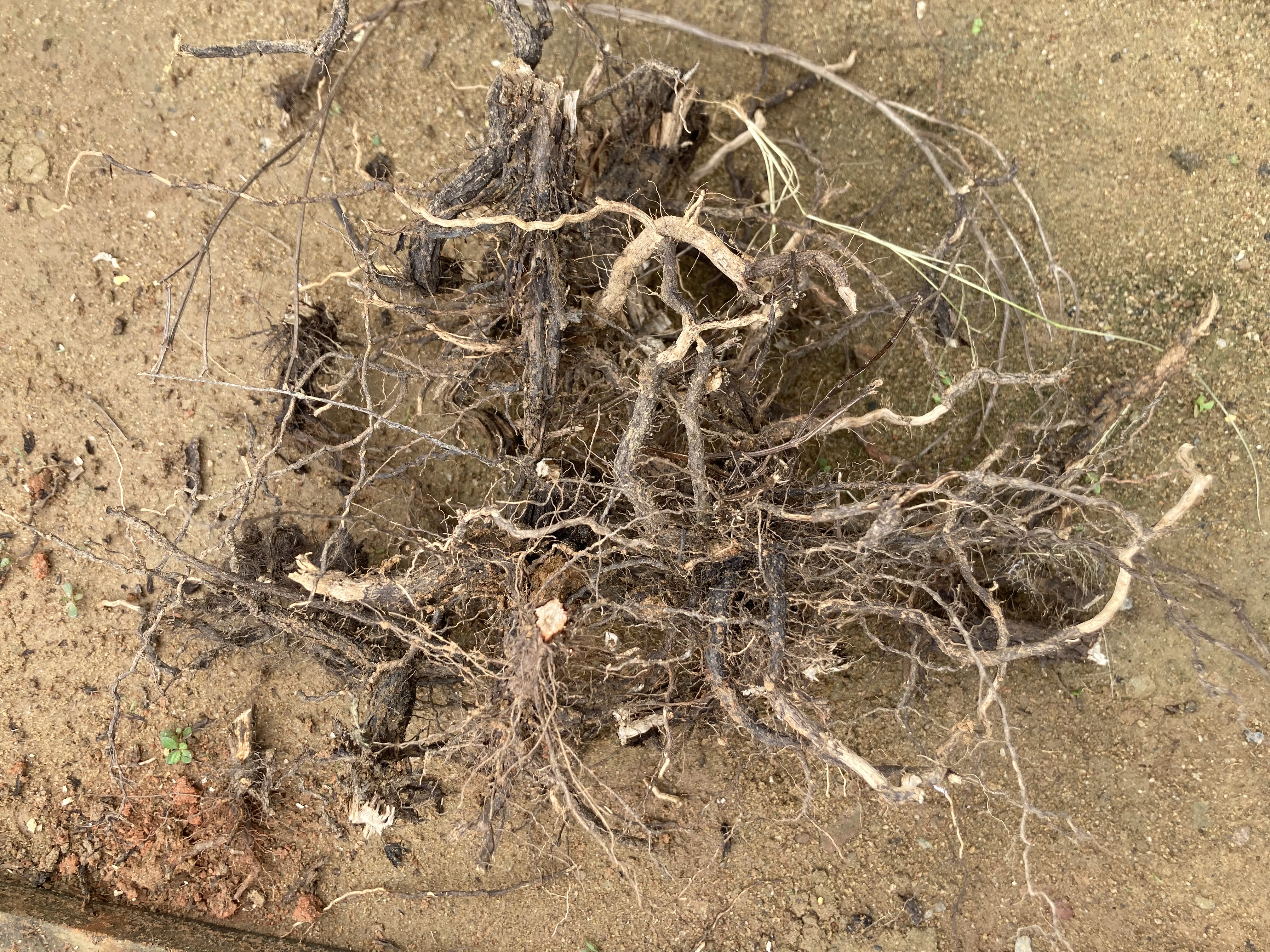
Basil Root Health Benefits: A Complete Guide to Herbal Medicine, Tradition, and Science
Quantity
Free Shipping
On orders over ₦50,000
2 Year Warranty
Full coverage
30-Day Returns
Money-back guarantee
Product Features
- Yoruba (Nigeria): Efirin or Ewe curry (though more commonly refers to basil leaves, the roots are used in decoctions).
- Igbo (Nigeria): Nchanwu.
- Hausa (Nigeria): Daidoya.
- Swahili (East Africa): Mrihani.
- India (Ayurveda): Tulsi root (from Ocimum sanctum, also called Holy Basil).
- English: Basil root.
- Latin (Botanical): Ocimum species roots (varies depending on basil variety).
- Boiled basil roots are consumed to treat coughs, fevers, and chest infections.
- Decoctions are used for stomach ailments, ulcers, and intestinal worms.
- Some tribes use it for fertility and reproductive health, especially for men.
- Known as Tulsi root, it is used for respiratory disorders, including asthma and chronic bronchitis.
- Combined with honey, it is given to children for cough and sore throat.
- Used as a nerve tonic to reduce stress, anxiety, and fatigue.
- Basil root teas are common remedies for indigestion, bloating, and poor appetite.
- Used in poultices to heal skin infections and wounds.
- Decoctions help relieve cough, cold, sore throat, and asthma.
- Contains natural antimicrobial and anti-inflammatory compounds that clear the lungs.
- A study in the Journal of Ethnopharmacology (2015) noted that basil extracts improve bronchial function and ease airway inflammation.
- Acts as a mild carminative (relieves gas, bloating).
- Traditionally used against stomach ulcers and intestinal worms.
- Its bitter principles stimulate digestion and improve appetite.
- In African herbalism, men drink basil root decoctions for improved sperm quality and libido.
- Women use it for menstrual regulation and womb cleansing.
- While clinical studies are limited, anecdotal evidence is strong.
- Considered an adaptogen (balances stress hormones).
- Helps with anxiety, nervousness, and fatigue.
- Ayurveda prescribes basil root for “calming the mind” and enhancing spiritual clarity.
- Acts as a blood purifier.
- Boosts the body’s ability to fight infections.
- Supports liver and kidney health, promoting natural detoxification.
- Used as a traditional remedy for arthritis, rheumatism, and body pain.
- Anti-inflammatory compounds help reduce swelling.
- Poultices of crushed basil roots are applied on boils, abscesses, and skin infections.
- Helps wounds heal faster.
-
Preparation:
- Wash and chop fresh basil roots.
- Boil 1–2 teaspoons of dried root or a handful of fresh root in 2 cups of water.
- Simmer for 15–20 minutes.
- Strain and drink warm.
-
Uses: Coughs, colds, digestive issues, stress.
- Stronger than tea, made by boiling roots longer.
- Dosage: ½ cup, twice daily.
- Uses: Fever, malaria support, fertility.
- Mix basil root extract with honey.
- Excellent for children with coughs and sore throats.
- Crush roots into a paste, apply directly on skin.
- Used for boils, abscesses, and wounds.
- Tea: 1 cup, 2–3 times daily.
- Decoction: ½ cup, 2 times daily.
- Tea with honey: ½ cup, once daily.
- Avoid high doses in pregnancy without supervision.
- People on blood-thinning medication should consult a doctor before use.
- In Yoruba tradition, basil (Efirin or ewe curry) and its roots are used in purification rites.
- In Ayurveda, Tulsi is sacred, and its roots symbolize protection against illness.
- Across Africa, basil roots are often included in herbal mixtures for protection and vitality.
- Respiratory health: Basil extracts improve bronchial relaxation (Journal of Ethnopharmacology, 2015).
- Immunity: Basil strengthens immune response (Phytomedicine, 2017).
- Antimicrobial activity: Root extracts inhibit bacteria and fungi (Asian Pacific Journal of Tropical Medicine, 2016).
- Jamshidi, N., & Cohen, M. M. (2017). The clinical efficacy and safety of Tulsi in humans: a systematic review. Phytotherapy Research.
- Pattanayak, P., Behera, P., Das, D., & Panda, S. K. (2010). Ocimum sanctum Linn. A reservoir plant for therapeutic applications: An overview. Pharmacognosy Reviews.
- Mondal, S., Varma, S., & Bamola, V. D. (2015). Ocimum sanctum Linn. (Tulsi) an overview. International Journal of Pharmaceutical Sciences Review and Research.
- Singh, S., Taneja, M., & Majumdar, D. K. (2007). Biological activities of Ocimum sanctum Linn. (Tulsi). Indian Journal of Experimental Biology.
🌿 Basil Root Health Benefits: A Complete Guide to Herbal Medicine, Tradition, and Science
Introduction: Why Basil Root Deserves Attention
For centuries, basil has been celebrated as the “King of Herbs.” While most people are familiar with basil leaves for cooking and herbal teas, the roots of the basil plant are often overlooked. Yet, in African traditional medicine, Ayurveda in India, and folk practices across Asia and South America, basil roots are prized for their potent healing powers.
From treating coughs, colds, and respiratory problems to soothing digestion, cleansing the blood, boosting fertility, and enhancing immunity, basil roots carry a deep legacy as a multi-purpose natural remedy.
In this article, we will explore the complete Basil Root health benefits, its traditional uses across cultures, modern scientific perspectives, recipes and preparations, dosage for adults and children, and safety tips for herbal use.
By the end, you’ll understand why Basil Root has earned its place as one of the most versatile and powerful herbal medicines in the world.
1. Traditional Names of Basil Root
Like most healing herbs, basil root is known by different names depending on the region and culture:
These names reflect the wide cultural adoption of basil root in both African herbalism and Indian Ayurveda, where it is considered sacred and deeply healing.
2. Basil Root in Traditional Medicine
Basil roots have been used for centuries as a cure-all remedy. Let’s explore how different traditions use it:
🌍 African Herbalism
🇮🇳 Ayurveda (India)
🌏 Southeast Asia
Across all traditions, the root is considered stronger and more concentrated than the leaves, often reserved for serious ailments.
3. Basil Root Health Benefits (Science + Tradition)
Here we break down the major health benefits of basil root, supported by both folk medicine and modern research.
3.1 Basil Root for Respiratory Health
3.2 Basil Root for Digestive Support
3.3 Basil Root for Fertility and Reproductive Health
3.4 Basil Root for Stress & Mental Wellness
3.5 Basil Root for Immunity & Detoxification
3.6 Basil Root for Pain & Inflammation
3.7 Basil Root for Skin & Wounds
4. How to Use Basil Root in Herbal Remedies
4.1 Basil Root Tea
4.2 Basil Root Decoction
4.3 Basil Root with Honey
4.4 Basil Root Poultice
5. Dosage and Safety
Adults
Children
⚠️ Safety note:
6. Cultural Significance of Basil Root
Basil root is not just medicine it carries spiritual and cultural meaning.
7. Modern Science and Basil Root
While much research has focused on basil leaves, studies confirm that roots also contain alkaloids, flavonoids, saponins, and essential oils with healing effects.
Research highlights include:
8. FAQ Section
Q1: Can basil root really cure asthma? It does not cure asthma permanently but helps manage symptoms like wheezing, coughing, and breathlessness.
Q2: Is basil root safe for children? Yes, in small doses (tea with honey). Always consult a herbalist or doctor.
Q3: How is basil root different from basil leaves? The leaves are mild and used daily, while the roots are stronger and used for more serious conditions.
Q4: Can I combine basil root with other herbs? Yes, it is often combined with ginger, lime, or honey in African and Indian remedies.
Q5: Can basil root boost fertility? Traditionally yes, especially for men. Scientific evidence is still limited but promising.
Conclusion: The Timeless Power of Basil Root
From respiratory relief to digestive healing, from fertility support to immune boosting, basil root health benefits are vast and deeply rooted in tradition.
This humble part of the plant, often overlooked, deserves more recognition as a powerful herbal ally. Whether used as a tea, decoction, or poultice, basil root remains a safe, effective, and time-honored remedy for families across the world.
Nature has placed extraordinary healing in the simplest roots, and basil root is proof of that truth.