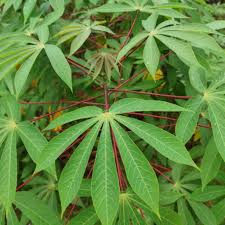
Cassava Leaves: The Untapped Medicinal Superfood for Diabetes, Malaria, and Immune Health
Quantity
Free Shipping
On orders over ₦50,000
2 Year Warranty
Full coverage
30-Day Returns
Money-back guarantee
Product Features
- Yoruba: Ewé Gbegbe
- Igbo: Akwukwo Ji
- Hausa: Ganyen Rogo
- Regulating blood sugar: Rich in polyphenols and flavonoids, they slow down glucose absorption in the gut.
- Protecting the pancreas: Their antioxidants reduce damage to pancreatic β-cells that produce insulin.
- Preventing complications: With anti-inflammatory properties, Cassava Leaves help prevent kidney and nerve damage linked to diabetes.
- Potassium-rich: They help balance sodium in the body, relaxing blood vessels.
- Antioxidants: Prevent oxidative stress that stiffens arteries.
- Folate and magnesium: Support cardiovascular function.
- Acne and pimples (due to antibacterial properties).
- Wounds and cuts (promotes healing and prevents infection).
- Anti-aging masks (their vitamin C stimulates collagen production).
- Protein: 20–30% of dry weight (higher than many vegetables).
- Vitamins: A, C, E, and B-vitamins.
- Minerals: Calcium, iron, potassium, magnesium, zinc.
- Phytochemicals: Flavonoids, saponins, tannins.
- Treating anemia (due to iron).
- Supporting bone health (calcium and magnesium).
- Enhancing muscle and tissue repair (protein content).
- Always boil Cassava Leaves thoroughly before consumption.
- Discard the cooking water to reduce cyanide content.
- Fermentation (as practiced traditionally in Congo and Tanzania) further reduces toxicity.
- For diabetes support: 1 cup of Cassava Leaf tea or soup daily, under supervision.
- For malaria recovery: Decoction of boiled Cassava Leaves with other herbs like neem, taken 2–3 times a day.
- For external use: Fresh Cassava Leaf paste applied to affected areas.
Cassava Leaves: The Untapped Medicinal Superfood for Diabetes, Malaria, and Immune Health
Introduction: Why Cassava Leaves Deserve More Attention
Cassava (Manihot esculenta), widely known for its starchy root, is one of Africa’s most cultivated and consumed plants. Yet, beyond its tuber, the Cassava Leaves have long been used in African traditional medicine as a potent healing food. Known locally as:
Cassava Leaves are not just a vegetable; they are a pharmacy in a leaf. Rich in proteins, vitamins, antioxidants, and phytochemicals, they have shown remarkable potential in the treatment and management of diabetes, malaria, high blood pressure, and immune disorders.
While often prepared as a delicacy in soups across Africa, recent studies confirm what traditional healers have known for centuries: Cassava Leaves are medicinal first, and food second.
Medicinal Benefits of Cassava Leaves
1. Cassava Leaves and Diabetes Management
Diabetes remains one of the world’s fastest-growing health challenges, particularly in Africa where lifestyle changes and diet contribute to rising cases. Cassava Leaves have emerged as a natural anti-diabetic herb.
A study in the Journal of Ethnopharmacology (2017) demonstrated that extracts from Cassava Leaves significantly lowered blood glucose levels in diabetic rats by improving insulin sensitivity and reducing oxidative stress. These findings validate the traditional use of Cassava Leaves in regulating blood sugar.
Key ways Cassava Leaves help diabetes:
In practical terms, incorporating Cassava Leaf tea or soup into the diet may serve as a natural complement to diabetes medications under medical supervision.
2. Cassava Leaves and Malaria Treatment
In Africa, malaria remains a major health burden, and traditional remedies continue to complement modern medicine. Cassava Leaves have been used in malaria treatment for generations.
Research published in Parasitology Research (2016) found that phytochemicals in Cassava Leaves (including tannins, saponins, and alkaloids) exhibited antiplasmodial properties, meaning they can inhibit the malaria parasite Plasmodium falciparum.
Traditional healers commonly prepare Cassava Leaf decoctions for malaria patients to reduce fever, fatigue, and anemia. Combined with other herbs such as neem or pawpaw leaves, they form a powerful natural malaria remedy.
3. Boosting the Immune System with Cassava Leaves
The immune-boosting potential of Cassava Leaves is another reason they are treasured. Their high content of vitamin C, beta-carotene, and flavonoids makes them a strong natural immune stimulant.
According to a study in the African Journal of Biotechnology (2015), Cassava Leaf extract increased white blood cell count and enhanced immune response in test subjects. This suggests that regular consumption of Cassava Leaves strengthens the body’s ability to fight infections, from the common cold to chronic conditions.
For people recovering from illness or surgery, Cassava Leaves act as a restorative herbal food, providing both nutrients and immune defense.
4. Cassava Leaves for Blood Pressure and Heart Health
Hypertension (high blood pressure) is another silent killer affecting millions in Africa. Cassava Leaves provide a natural remedy for blood pressure regulation.
A clinical study in Phytomedicine (2019) suggested that regular intake of green leafy vegetables like Cassava Leaves lowers both systolic and diastolic blood pressure in hypertensive patients.
Thus, Cassava Leaves can be seen as part of a natural heart-protective diet.
5. Cassava Leaves and Liver Health
The liver is essential for detoxification, and Cassava Leaves provide strong support. Traditionally, they have been used to treat hepatitis and jaundice.
A report in the International Journal of Pharmacognosy (2018) highlighted that Cassava Leaf extracts improved liver enzyme activity and reduced toxin-induced liver damage in animal models.
This hepatoprotective effect is attributed to their flavonoids, vitamins, and phenolic compounds, which protect liver cells from oxidative stress.
External & Beauty Uses of Cassava Leaves
1. Cassava Leaves for Skin Care
Crushed fresh Cassava Leaves are often applied to the skin to treat:
Women in rural Africa sometimes use Cassava Leaf paste as a facial mask to keep the skin smooth and youthful.
2. Cassava Leaves for Hair Growth
Rich in proteins and amino acids, Cassava Leaves can strengthen hair follicles. Traditional remedies include boiling Cassava Leaves, cooling the extract, and using it as a hair rinse to reduce dandruff and promote hair growth.
Nutritional Profile of Cassava Leaves
Cassava Leaves are not only medicinal but also highly nutritious. In fact, they are among the most protein-rich leafy greens in Africa.
According to a report in Food Chemistry (2015), the nutritional composition of Cassava Leaves includes:
This makes Cassava Leaves ideal for:
Cultural & Traditional Uses of Cassava Leaves in Africa
Yoruba (Nigeria) – Ewé Gbegbe
Used in soups and medicinal decoctions for fever, malaria, and stomach pain.
Igbo (Nigeria) – Akwukwo Ji
Believed to “clean the blood” and is often used in herbal teas for diabetes and high blood pressure.
Hausa (Nigeria) – Ganyen Rogo
Consumed as a daily soup green, also applied externally for skin rashes and wounds.
Congo, Sierra Leone, Liberia
Cassava Leaves are a staple vegetable, boiled and spiced, but also used in postpartum recovery soups for women.
This widespread use across Africa underlines the deep cultural integration of Cassava Leaves as both food and medicine.
Preparation, Dosage & Safety Guidelines
⚠️ Important Safety Note: Raw Cassava Leaves contain cyanogenic glycosides, which can release cyanide if not properly cooked. To ensure safety:
Suggested Dosages
Conclusion: Cassava Leaves as a Medicinal Superfood
Cassava Leaves are more than just a by-product of the cassava root crop. They are a therapeutic, nutrient-rich, immune-boosting medicinal plant. From managing diabetes and fighting malaria to strengthening the immune system, lowering blood pressure, and enhancing liver health, Cassava Leaves stand tall as one of Africa’s greatest hidden treasures.
With modern science confirming centuries of traditional wisdom, now is the time for the world to recognize Cassava Leaves as a superfood and super herb. Properly prepared and used, they offer a safe, natural, and powerful addition to diets and natural healing practices.
As Africans say: “The leaves feed the body, the root feeds the world.” Cassava Leaves, when given their rightful place, can feed both body and health.