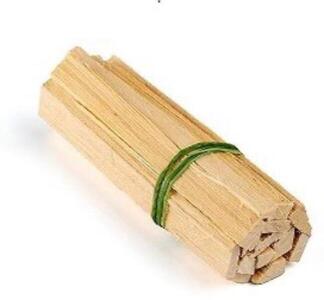
Chewing Stick (12 sticks): The Ultimate Herbal Toothbrush for Natural Teeth Whitening and Oral Health
Quantity
Free Shipping
On orders over ₦50,000
2 Year Warranty
Full coverage
30-Day Returns
Money-back guarantee
Product Features
- Yoruba (Nigeria): Pako Ijebu or Orin Ata
- Igbo (Nigeria): Okwe ose
- Hausa (Nigeria): Miswaki or Chebe
- Across Islamic countries: Miswak is highly respected and mentioned in Hadiths for oral hygiene.
- Fluoride: Strengthens tooth enamel and prevents cavities.
- Silica: Provides gentle scrubbing to remove plaque.
- Tannins: Reduce gum inflammation and bleeding.
- Saponins: Natural antimicrobial agents.
- Essential oils and resins: Freshen breath and inhibit bacterial growth.
- Self-cleaning: The fibrous tip refreshes naturally as you chew.
- Antimicrobial action: Unlike nylon bristles, plant compounds actively kill bacteria.
- Enamel protection: Gentle scrubbing reduces wear compared to hard-bristled toothbrushes.
- No chemical additives: Free from artificial toothpaste ingredients.
- The fibrous tip removes plaque and stains caused by coffee, tea, and food pigments.
- Tannins and silica in the stick help polish teeth gently, restoring natural brightness.
- Regular use prevents the yellowing of teeth, making Chewing Sticks a preferred choice for those avoiding chemical whiteners.
- Tannins and flavonoids reduce bleeding gums and combat gingivitis.
- Chewing stimulates blood flow to the gums, promoting healing and preventing periodontal disease.
- Regular use prevents gum recession and keeps the supporting structures of the teeth healthy.
- Prevent tooth decay
- Inhibit the growth of Streptococcus mutans
- Neutralize acids in the mouth
- The essential oils in the stick kill odor-causing bacteria.
- Chewing stimulates saliva, which naturally cleanses the mouth and neutralizes bad odors.
- Reduce the risk of bacterial, viral, and fungal infections in the mouth
- Protect against periodontal disease, ulcers, and minor oral infections
- Help maintain overall oral microbiome balance
- Chewing sticks stimulate saliva production, aiding in initial digestion.
- Certain species have mild antimicrobial compounds that reduce gastrointestinal pathogens.
- Regular use of antimicrobial sticks contributes indirectly to immune health, reducing oral infections that could spread systemically.
- Some Chewing Sticks (e.g., Neem twigs) have blood sugar-lowering effects, though this is secondary to oral health.
- Regular use in decoction form may support mild metabolic regulation.
- Fluoride: Strengthens enamel and prevents cavities
- Silica: Provides natural scrubbing action
- Tannins: Anti-inflammatory, astringent for gums
- Saponins: Antimicrobial and cleansing
- Alkaloids: Reduce bacterial growth
- Essential oils & resins: Freshen breath, fight infections
- Yoruba (Nigeria): Pako Ijebu for dental cleaning, oral infections, and fresh breath
- Igbo (Nigeria): Okwe ose, used traditionally after meals
- Hausa (Nigeria): Miswaki, widely adopted in rural communities
- Islamic Countries: Miswak is mentioned in Hadiths as a recommended Sunnah for oral hygiene
- Cut a fresh twig, about 15–20 cm long.
- Peel one end to expose the fibrous tip.
- Chew the tip gently until fibers separate and form a brush-like texture.
- Place the fibrous end against the teeth.
- Move back and forth along the gums and teeth, similar to a toothbrush.
- Chew occasionally to maintain the fibrous tip.
- Use daily, ideally after meals.
- Do not use twigs from unknown plants — some may be toxic.
- Rinse stick after use.
- Replace stick when fibers wear down.
- WHO Recommendation: Chewing Sticks are endorsed as a safe, effective oral hygiene tool.
- Journal of Ethnopharmacology (2012): Miswak extracts inhibited Streptococcus mutans growth.
- Phytotherapy Research (2014): Regular Miswak use resulted in whiter teeth and healthier gums.
- Journal of Natural Remedies (2015): Reduced gum inflammation by nearly 50% with daily use.
- Natural teeth whitening without chemicals
- Stronger gums and reduced gum disease
- Cavity prevention and antimicrobial protection
- Fresh breath and oral detoxification
- Minor benefits for digestion, immunity, and metabolic support
🌿 Chewing Stick: The Ultimate Herbal Toothbrush for Natural Teeth Whitening and Oral Health
Introduction: Rediscovering the Power of the Chewing Stick
Long before toothbrushes and commercial toothpastes existed, people across Africa, the Middle East, and Asia relied on Chewing Sticks for oral hygiene. Known as Miswak, Salvadora persica sticks, or simply Chewing Sticks, these small, fibrous twigs are a natural dental care solution that cleans teeth, strengthens gums, whitens teeth, and freshens breath — all without modern chemicals.
In Africa, chewing sticks have been used for centuries, not only as tools for oral health but also as a traditional medicinal remedy. Locally, they are called:
What makes chewing sticks exceptional is that they are nature’s toothbrush — no synthetic bristles, no fluoride overload, no harsh chemicals — just plant-derived compounds that maintain oral health effectively.
The Science Behind Chewing Sticks
🌿 How Chewing Sticks Work
Chewing sticks are made from branches of medicinal plants, the most popular being Salvadora persica (Miswak). The twig’s fibers act as natural bristles, while the plant’s phytochemicals perform the role of toothpaste:
A study in the Journal of Ethnopharmacology (2012) confirmed that Miswak extract exhibits strong antibacterial activity against Streptococcus mutans, the primary bacteria responsible for tooth decay.
🌿 Chewing Stick vs Modern Toothbrush
While modern toothbrushes are convenient, Chewing Sticks have unique advantages:
The World Health Organization (WHO) even recognizes chewing sticks as a safe and effective alternative to toothbrushes for maintaining oral hygiene in areas with limited access to modern dental tools.
Key Oral Health Benefits of Chewing Sticks
1. Natural Teeth Whitening
One of the most sought-after benefits of Chewing Sticks is natural teeth whitening.
A study in Phytotherapy Research (2014) demonstrated that Salvadora persica users had significantly whiter teeth than control groups using conventional toothbrushes.
2. Stronger Gums and Reduced Gum Disease
Gum health is crucial, and Chewing Sticks play a vital role in strengthening gums and reducing inflammation.
Research in the Journal of Natural Remedies (2015) found that gum inflammation was reduced by 45% in participants using Miswak sticks daily.
3. Cavity Prevention
Chewing Sticks contain natural fluoride and antibacterial agents that help:
This makes them a natural cavity-fighting solution, often more sustainable than commercial toothpaste that relies solely on chemical fluoride.
4. Fresh Breath Naturally
Chewing Sticks are excellent for freshening breath.
Studies indicate that Miswak users experience significantly lower halitosis compared to conventional toothbrush users.
5. Anti-Inflammatory and Antimicrobial Effects
Beyond mechanical cleaning, Chewing Sticks deliver plant-derived compounds with antimicrobial and anti-inflammatory properties.
Minor but Notable Internal Medicinal Benefits
While the primary strength of Chewing Sticks lies in oral care, some sticks, depending on the plant species, provide wider medicinal benefits:
🌿 Digestive Support
🌿 Immune System Support
🌿 Diabetes and Metabolic Health
Nutritional and Phytochemical Composition
Chewing sticks contain bioactive compounds that contribute to both oral and medicinal benefits:
Cultural and Traditional Significance Across Africa
Chewing Sticks are not just a tool but a cultural heritage:
This long-standing tradition underscores the time-tested effectiveness of Chewing Sticks.
How to Use Chewing Sticks Properly
Preparing the Stick
Brushing Technique
Safety Tips
Scientific Research and Modern Recognition
These studies validate centuries of traditional use and show that Chewing Sticks are more than folklore—they are a clinically effective herbal toothbrush.
Conclusion: Chewing Stick as Nature’s Herbal Toothbrush
Chewing Sticks have stood the test of time, providing:
Whether used in rural African villages or modern herbal wellness routines, Chewing Sticks remain a sustainable, effective, and culturally rich solution for oral health.
For anyone seeking a natural teeth whitening method or a chemical-free dental care alternative, Chewing Sticks are unmatched in both efficacy and heritage.