Dried Pawpaw Leaves: The Ultimate Herbal Cure for Stomach Ulcer
Quantity
Free Shipping
On orders over ₦50,000
2 Year Warranty
Full coverage
30-Day Returns
Money-back guarantee
Product Features
- Yoruba (Nigeria): Ewe Ibepe
- Igbo (Nigeria): Akwukwo Okwuru Bepe
- Hausa (Nigeria): Ganyen Gwanda
- Swahili (East Africa): Majani ya Papai
- Akan (Ghana): Nkrakra papaya
- Zulu (South Africa): Amagqabi epapaya
- Anti-inflammatory compounds: Flavonoids in pawpaw leaves reduce inflammation in the stomach lining, allowing ulcers to heal faster (Journal of Medicinal Plants Research, 2018).
- Antibacterial action: Alkaloids and tannins present in dried pawpaw leaves inhibit the growth of Helicobacter pylori, the bacteria often responsible for ulcers (International Journal of Herbal Medicine, 2019).
- Papain and chymopapain enzymes: These enzymes help break down proteins and aid digestion, reducing the irritation of ulcers.
- Antioxidant properties: Dried pawpaw leaves are rich in phenolic compounds that neutralize free radicals, which otherwise worsen ulcer damage (Pharmacognosy Research, 2020).
- Alkaloids – natural compounds that protect the stomach lining.
- Flavonoids – strong antioxidants that reduce inflammation.
- Saponins – compounds with antimicrobial activity.
- Tannins – protect against bacteria and tighten stomach tissues.
- Papain and chymopapain – digestive enzymes aiding ulcer healing.
- Vitamins A, C, E, and K – boost immunity and tissue repair.
- Minerals – calcium, magnesium, iron, and potassium, which strengthen body functions.
- Take a handful of dried pawpaw leaves.
- Boil in 1 liter of water for 15–20 minutes.
- Strain and drink warm, 1 cup twice daily.
- Crush dried pawpaw leaves into smaller pieces.
- Boil 2 tablespoons in 500 ml of water until reduced to half.
- Drink 2–3 tablespoons three times daily.
- Grind dried pawpaw leaves into fine powder.
- Mix 1 teaspoon with warm water or honey.
- Take once or twice daily.
- Boil dried pawpaw leaves in water.
- Mix with a tablespoon of raw honey.
- Drink twice daily.
- Tea: 1 cup twice daily.
- Powder: 1 teaspoon mixed with warm water once or twice daily.
- Decoction: 2–3 tablespoons three times daily.
- Tea: Half a cup once daily.
- Powder: Half a teaspoon mixed with honey once daily.
- Decoction: 1 tablespoon twice daily.
- Malaria Treatment – Rich in alkaloids that reduce fever and parasite load.
- Blood Sugar Control – Lowers blood glucose, supporting diabetes management.
- Immune Booster – Strengthens white blood cells.
- Menstrual Pain Relief – Reduces cramps and regulates cycles.
- Skin Health – Antioxidants fight acne, eczema, and premature aging.
- Digestive Aid – Prevents constipation and improves nutrient absorption.
- Pregnant women should avoid high doses of pawpaw leaves as they may stimulate contractions.
- Excessive intake can cause nausea or diarrhea.
- Drug interactions: May interfere with blood thinners or diabetes medications.
- Journal of Medicinal Plants Research (2018). Phytochemical analysis and anti-ulcer activity of Carica papaya leaves.
- International Journal of Herbal Medicine (2019). Antibacterial activity of pawpaw leaf extract against Helicobacter pylori.
- Pharmacognosy Research (2020). Antioxidant and gastroprotective effects of dried pawpaw leaves.
- African Journal of Traditional, Complementary and Alternative Medicine (2021). Traditional uses of Carica papaya leaves in ulcer and malaria management.
🌿 Dried Pawpaw Leaves: The Ultimate Herbal Cure for Stomach Ulcer
Introduction: Why the World Needs a Herbal Cure for Stomach Ulcer
Stomach ulcer, also known as peptic ulcer disease, is a painful and often chronic condition that affects millions of people worldwide. It occurs when sores develop on the lining of the stomach or the upper part of the small intestine due to excess stomach acid, Helicobacter pylori infection, or prolonged use of certain medications such as non-steroidal anti-inflammatory drugs (NSAIDs). Symptoms often include burning stomach pain, bloating, nausea, heartburn, and in severe cases, bleeding.
Conventional treatments for stomach ulcers involve proton pump inhibitors, antibiotics, and acid-reducing drugs. However, these treatments often come with side effects, and many patients relapse after stopping medications. This is why the demand for a natural herbal cure for stomach ulcer continues to grow.
One of the most celebrated remedies in African traditional medicine is Dried Pawpaw Leaves (Carica papaya leaves). Across Nigeria, Ghana, Kenya, and many other African nations, dried pawpaw leaves have been used for centuries as a safe, natural, and effective herbal cure for stomach ulcer. Modern scientific research is now validating what traditional healers have known all along: pawpaw leaves contain bioactive compounds such as papain, alkaloids, flavonoids, and antioxidants that help protect the stomach lining, reduce inflammation, kill harmful bacteria, and promote ulcer healing.
In this article, we will explore how dried pawpaw leaves work as a herbal cure for stomach ulcer, the science behind them, traditional recipes, dosage for children and adults, additional health benefits, and their cultural significance across Africa.
What Are Dried Pawpaw Leaves?
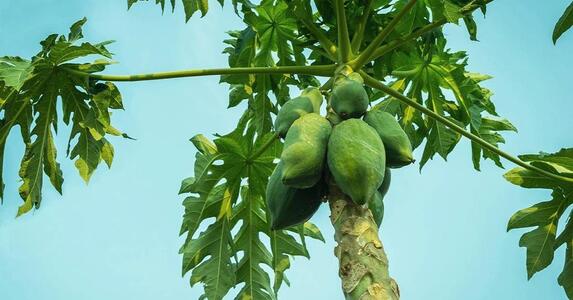
Dried Pawpaw Leaves are the sun-dried or shade-dried leaves of the pawpaw plant (Carica papaya), a tropical fruit-bearing tree native to Central America but now widely cultivated across Africa, Asia, and the Caribbean.
While pawpaw fruit is famous for its sweet taste and rich vitamin content, the leaves—especially when dried—are equally powerful. Drying pawpaw leaves concentrates their medicinal compounds and makes them easier to store, transport, and prepare for healing teas, decoctions, and powders.
Local African Names for Pawpaw Leaves
By different names but with the same purpose, dried pawpaw leaves are recognized as a potent herbal cure for stomach ulcer across Africa and beyond.
Why Dried Pawpaw Leaves Are the Ultimate Herbal Cure for Stomach Ulcer
Traditional Knowledge of Pawpaw Leaves for Ulcer Healing
For centuries, African healers have prescribed dried pawpaw leaf tea or decoction to patients suffering from burning stomach pain and indigestion. The leaves are known for their bitter taste, which stimulates digestion and protects the stomach lining.
Many traditional healers also combine dried pawpaw leaves with honey or ginger to enhance their effectiveness as a herbal cure for stomach ulcer.
Scientific Validation: How Pawpaw Leaves Heal Ulcers
Modern research supports this traditional knowledge:
This is why pawpaw leaves are recognized not just as a traditional remedy but as a scientifically validated herbal cure for stomach ulcer.
Phytochemical and Nutritional Profile of Dried Pawpaw Leaves
Dried pawpaw leaves contain a unique mix of phytochemicals and nutrients that make them powerful in ulcer healing and overall health support:
This phytochemical richness is the backbone of their power as a herbal cure for stomach ulcer.
Traditional Recipes and Preparations for Stomach Ulcer
1. Dried Pawpaw Leaf Tea (Herbal Cure for Stomach Ulcer)
This tea is the most common and effective herbal cure for stomach ulcer in traditional medicine.
2. Dried Pawpaw Leaf Decoction
The concentrated decoction is stronger for severe ulcer cases.
3. Dried Pawpaw Leaf Powder for Ulcer
Powder is portable and effective for long-term ulcer management.
4. Combination Remedy: Dried Pawpaw Leaves + Honey
Honey adds soothing and antibacterial effects, making it one of the most powerful combinations for herbal cure for stomach ulcer.
Dosage and Preparation for Children vs. Adults
For Adults
For Children (above 6 years)
⚠️ Children under 6 years should only take pawpaw leaf remedies under professional supervision.
Other Medicinal Benefits Beyond Stomach Ulcer
While dried pawpaw leaves are best known as a herbal cure for stomach ulcer, they also have wide-ranging benefits:
Cultural Significance of Dried Pawpaw Leaves
Across Africa, dried pawpaw leaves are known as “the poor man’s pharmacy” because of their accessibility and wide healing powers. Families dry pawpaw leaves during harvest seasons and store them for year-round use as a herbal cure for stomach ulcer, malaria, and digestive issues.
Safety, Precautions, and Contraindications
Used moderately, dried pawpaw leaves are safe and highly effective as a herbal cure for stomach ulcer.
FAQs on Dried Pawpaw Leaves as Herbal Cure for Stomach Ulcer
Q1: Can dried pawpaw leaves completely cure stomach ulcer? Yes, consistent use of dried pawpaw leaf tea or decoction can completely heal ulcer wounds by reducing acid, killing harmful bacteria, and repairing the stomach lining.
Q2: How long should I take dried pawpaw leaves for ulcer? Most people report relief within 2–4 weeks, but chronic cases may require up to 3 months.
Q3: Can I combine dried pawpaw leaves with hospital medicines? Yes, but consult a doctor to avoid drug interactions.
Q4: Are dried pawpaw leaves safe for children? Yes, in smaller doses, but always seek guidance for children under 6.
Q5: What is the best form of dried pawpaw leaves for ulcer? Tea and decoction are most effective, while powder is convenient for daily use.
Conclusion: Dried Pawpaw Leaves as the Herbal Cure for Stomach Ulcer
Dried pawpaw leaves are one of the most effective, affordable, and accessible remedies for stomach ulcers. They work by reducing stomach acid, fighting ulcer-causing bacteria, healing internal wounds, and strengthening immunity.
For anyone searching for a herbal cure for stomach ulcer, dried pawpaw leaves remain one of the safest and most reliable options—backed by both traditional wisdom and modern scientific research.