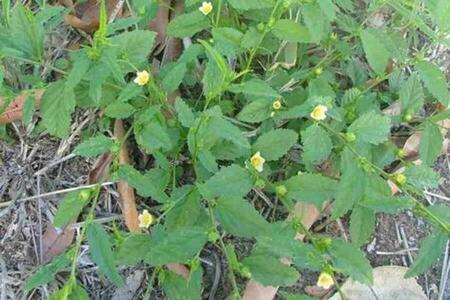
Goat Grass 500g (Sida acuta): The Complete Guide to Nature’s Herbal Cure for Infections
Quantity
Free Shipping
On orders over ₦50,000
2 Year Warranty
Full coverage
30-Day Returns
Money-back guarantee
Product Features
- Yoruba (Nigeria): Ewe Obadudu or Oruwon
- Hausa (Nigeria): Bakin magarya
- Igbo (Nigeria): Udo nkịrịka
- Swahili (East Africa): Mnavu mwitu
- Ghana (Akan): Anoma ntoma
- India (Ayurveda): Bala
- English: Goat Grass, Wireweed
- Scientific Name: Sida acuta
- Alkaloids – known for pain relief, fever reduction, and antimicrobial action.
- Flavonoids – powerful antioxidants that protect the body against free radicals.
- Saponins – immune boosters and natural antibiotics that help fight infections.
- Tannins – effective in wound healing, reducing inflammation, and protecting the digestive tract.
- Steroids and Terpenoids – anti-inflammatory, antiviral, and antifungal properties.
- Mucilages – soothe sore throats, urinary tract infections, and gastrointestinal issues.
- Decoctions of Goat Grass leaves have been used for typhoid fever, dysentery, and diarrhea.
- The tannins and saponins work to suppress harmful bacteria like E. coli and Salmonella.
- Traditional healers often describe it as a “natural antibiotic.”
- Used in the treatment of herpes, influenza, and viral fevers.
- Its flavonoids and terpenoids disrupt viral replication.
- Many herbalists recommend it as a supportive remedy during outbreaks.
- Goat Grass poultices are applied to treat skin rashes, athlete’s foot, and candidiasis.
- Its antifungal action comes from tannins and alkaloids.
- Fresh leaves crushed and applied directly to cuts and wounds.
- Speeds up healing and prevents pus formation.
- Often combined with shea butter or coconut oil for added antimicrobial effect.
- Boil a handful of fresh or dried leaves in 2–3 cups of water for 15 minutes.
- Strain and drink warm, 2–3 times daily.
- Crush fresh leaves and apply directly to cuts, boils, or rashes.
- Secure with clean cloth or bandage.
- Dry the leaves and grind into powder.
- Take 1 teaspoon daily with warm water or honey.
- Soak fresh leaves in coconut or olive oil for 2 weeks.
- Apply to wounds, skin irritations, or fungal infections.
-
Adults:
- Decoction: 1 cup, 2–3 times daily.
- Powder: 1 teaspoon daily.
- External use: As needed.
-
Children (6–12 years):
- Decoction: ½ cup, 1–2 times daily.
- Avoid high doses to prevent overstimulation.
-
Infants/Toddlers:
- External application only (skin infections, wounds).
- Internal use only under guidance of a qualified herbalist.
- Pregnant women should avoid large doses, as it may stimulate uterine contractions.
- Overuse may lead to nausea or stomach upset.
- Always use in moderate, recommended doses.
- Consult a health professional if taking prescription medications.
- Antimicrobial activity: Studies confirm Sida acuta extracts inhibit growth of E. coli, Staphylococcus aureus, and Candida albicans.
- Anti-inflammatory action: Animal studies show reduced swelling and pain.
- Antidiabetic potential: Research highlights hypoglycemic effects of the plant’s leaf extracts.
- Wound healing: Published studies confirm accelerated wound closure and reduced infection risk.
Goat Grass (Sida acuta): The Timeless Herbal Cure for Infections and a Natural Healer for the Whole Body
🌿 Introduction: Rediscovering the Power of Goat Grass
For centuries, nature has been humanity’s first pharmacy. Among the countless plants revered across cultures for their healing properties, Goat Grass (Sida acuta) stands out as one of the most trusted herbal allies. Known by different names across Africa, Asia, and Latin America, Goat Grass has earned a reputation as a powerful herbal cure for infections while also addressing a wide range of other ailments — from malaria and diabetes to fertility and pain relief.
Unlike many modern drugs that target only one condition, Goat Grass has traditionally been used as a multi-purpose healer, making it one of the most widely adopted natural medicines in local communities. This plant doesn’t just help the body fight infections; it supports immunity, eases inflammation, regulates blood sugar, improves digestion, and restores strength.
Today, as more people turn back to natural remedies, Goat Grass is gaining global recognition. In this in-depth article, we will explore its traditional uses, scientific backing, preparation methods, dosage guidelines, and safety considerations. Above all, we will highlight why Goat Grass has earned the title of the ultimate herbal cure for infections — and how it continues to heal communities across the world.
🌍 African Names and Global Presence of Goat Grass
Just like many other medicinal plants, Goat Grass carries multiple names depending on the region, culture, and language:
This wide naming diversity reflects the plant’s long history of use across continents. Whether in Ayurveda in India, African traditional medicine, or Latin American folk healing, Goat Grass has always been respected as an herbal cure for infections and a plant of resilience.
⚗️ Nutritional & Phytochemical Profile of Goat Grass
The power of Goat Grass lies in its rich phytochemistry. Modern studies have revealed that its leaves, roots, and stems contain compounds that support its antimicrobial, anti-inflammatory, and immune-boosting properties.
Key Compounds in Goat Grass (Sida acuta):
These compounds explain why Goat Grass is widely seen as a natural herbal cure for infections while also providing relief for numerous other conditions.
💊 Goat Grass as the Ultimate Herbal Cure for Infections
The strongest traditional and scientific evidence around Goat Grass revolves around its ability to fight infections. Communities across Africa, Asia, and Latin America rely on it for conditions ranging from skin infections and wounds to respiratory and urinary tract infections.
1. Bacterial Infections
2. Viral Infections
3. Fungal Infections
4. Wound Healing and External Infections
In all these cases, Goat Grass has earned its place as one of the most trusted herbal cures for infections.
🛡 Beyond Infections: Other Health Benefits of Goat Grass
While Goat Grass is celebrated as a herbal cure for infections, its uses extend far beyond this.
🌿 1. Malaria and Fever
Goat Grass teas are commonly used to reduce high fever and as an antimalarial remedy.
🌿 2. Diabetes and Blood Sugar Regulation
Studies suggest that Sida acuta extracts may help in regulating blood sugar and improving insulin sensitivity.
🌿 3. Hypertension
As a mild diuretic and anti-inflammatory herb, it has been used to reduce high blood pressure.
🌿 4. Arthritis and Inflammation
Decoctions relieve joint pain, swelling, and arthritis symptoms.
🌿 5. Fertility and Reproductive Health
Traditionally used to support menstrual health, boost fertility, and ease painful menstruation.
🌿 6. Digestive Health
Taken for stomach pain, constipation, indigestion, and ulcers.
🌿 7. Energy and General Wellness
Believed to strengthen the body, fight fatigue, and restore vitality.
🍵 Traditional Preparations of Goat Grass
There are several ways Goat Grass is prepared depending on the condition being treated.
1. Goat Grass Tea (Decoction for Infections)
2. Goat Grass Poultice (For Wounds & Skin Infections)
3. Powdered Goat Grass (For General Health)
4. Infused Oil (For External Use)
👨👩👧 Dosage & Usage Guidelines (Adults vs. Children)
Because Goat Grass is often used in families, dosage is crucial.
⚠️ Safety, Side Effects & Precautions
While Goat Grass is considered safe, precautions are necessary:
🔬 Scientific Studies & Evidence
These findings validate traditional knowledge that Goat Grass is an effective herbal cure for infections and beyond.
❓ Frequently Asked Questions (FAQs)
Q1. Can Goat Grass really cure infections? Yes. Traditional use and scientific studies confirm its antimicrobial properties, making it one of the best herbal cures for infections.
Q2. How do I prepare Goat Grass for infections? The most common method is a decoction — boiling the leaves in water and drinking it daily.
Q3. Can children take Goat Grass? Yes, but only in smaller doses (½ cup of decoction) and preferably under supervision.
Q4. Are there side effects? When taken moderately, side effects are rare. Overuse may cause stomach upset. Pregnant women should avoid it.
Q5. Can I use Goat Grass for both internal and external infections? Absolutely. It is effective when drunk as a tea and also when applied to wounds or skin infections.
📚 Conclusion: Goat Grass as Nature’s Antibiotic
From Africa to Asia, Goat Grass (Sida acuta) has stood the test of time as a powerful herbal cure for infections. Whether for bacterial, viral, or fungal infections, or for wound healing, this plant remains a trusted natural remedy. Beyond infections, it strengthens immunity, regulates blood sugar, reduces inflammation, and supports reproductive health.
In a world where antibiotic resistance is growing, plants like Goat Grass offer a sustainable and effective solution. By respecting traditional wisdom and combining it with modern science, we ensure that this humble plant continues to heal generations to come.
Nature heals — and Goat Grass proves it. 🌿