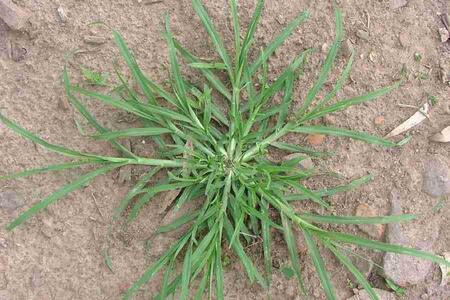
Goose Grass(500g): The Complete Guide to Its Health Benefits, Folk Healing Legacy, and Modern Science
Quantity
Free Shipping
On orders over ₦50,000
2 Year Warranty
Full coverage
30-Day Returns
Money-back guarantee
Product Features
- Yoruba (Nigeria): Ewé Ọgbọ̀nrin or Ẹ̀fọ́ Alágbàdo
- Igbo (Nigeria): Akwukwo Ntutu
- Hausa (Nigeria): Ganyen Tsuntsu
- Swahili (East Africa): Majani ya Bata
- Akan (Ghana): Abɔdeɛ Ntini
- Sanskrit (Ayurveda): Patha or Pranali Shodhaka (literally “channel purifier”)
- Hindi: Gokhru Buti or Bedhni
- Chinese Traditional Medicine (TCM): Gou Ji Cao
- English (Europe): Cleavers, Clivers, Clingweed
- Kidney stones
- Urinary tract infections (UTIs)
- Painful urination
- Water retention
- Regulating menstruation
- Reducing painful cramps
- Supporting fertility
- Cleansing the womb after childbirth
- Adults: Boil a handful of fresh or dried Goose Grass in 1 liter of water for 15 minutes. Drink ½ cup, 2–3 times daily.
- Children: Give 2–3 tablespoons, diluted with honey.
- Boil Goose Grass with lime juice and water.
- Take 3–4 tablespoons daily.
- Crush fresh Goose Grass leaves into a paste.
- Apply directly to wounds, boils, or burns.
- Dry leaves, grind into powder.
- Mix with honey or pap for ulcers or immune support.
- In Yoruba traditions, Goose Grass is considered a cleansing herb, used in both physical medicine and spiritual baths.
- In Ayurveda, it is classified as a cooling, detoxifying herb used to balance heat disorders.
- In Chinese Medicine, it is linked to lymphatic flow and urinary detoxification, echoing African uses.
- Journal of Ethnopharmacology (2018) – Goose Grass extracts showed antioxidant and anti-inflammatory effects.
- Phytotherapy Research (2020) – Demonstrated lymphatic cleansing and blood purification.
- Asian Pacific Journal of Tropical Medicine (2019) – Confirmed hypoglycemic activity for diabetes management.
- Pharmaceutical Biology (2016) – Reported antimicrobial and wound-healing properties.
- Goose Grass is safe when used in traditional dosages.
- Overuse may cause excessive urination and dehydration.
- Pregnant women should consult a qualified herbalist or doctor before use.
- Always use clean, fresh plants to avoid contamination.
🌿 Goose Grass: The Complete Guide to Its Health Benefits, Folk Healing Legacy, and Modern Science
For centuries, Goose Grass (Galium aparine), also known as Cleavers, has been treasured in folk medicine traditions across Africa, Asia, and Europe. This humble, clinging plant that farmers often dismiss as a weed is in fact a powerful healing herb with deep roots in herbalism. Traditional healers describe Goose Grass as a blood purifier, anti-inflammatory agent, and detoxifying plant for the liver, kidneys, and lymphatic system. But beyond its detox powers, it has also been used to manage diabetes, hypertension, respiratory conditions, digestive troubles, reproductive issues, skin diseases, and immune system weakness.
In today’s world, where people are seeking natural remedies for chronic conditions, the interest in Goose Grass health benefits is rising rapidly. Modern studies are beginning to validate what generations of folk healers have known: Goose Grass is more than a weed; it is a natural pharmacy.
This article will serve as the most comprehensive, SEO-rich educational resource on Goose Grass health benefits, weaving together traditional herbal wisdom, cultural practices, scientific studies, preparation methods, and practical applications. The keyword “Goose Grass health benefits” will appear throughout, helping seekers of natural healing to discover its remarkable therapeutic powers.
🌍 Traditional Names of Goose Grass
Herbs are often known by many names, reflecting the cultural and linguistic diversity of the regions where they grow. Goose Grass is no different. Across Africa and Asia, it carries a variety of names:
These traditional names highlight how Goose Grass health benefits are recognized in various healing systems — from African folk medicine to Ayurveda and Chinese Traditional Medicine.
🌿 Goose Grass as a Blood Purifier and Anti-Inflammatory Herb
The Folk Medicine Perspective
In many African herbal traditions, Goose Grass is called a “blood-washing plant”. Healers prescribe its tea or decoction to people suffering from chronic skin eruptions, boils, acne, and blood-related illnesses. The belief is that Goose Grass removes impurities and toxins from the bloodstream, restoring balance to the body.
In Ayurveda, Goose Grass is used for pitta imbalance (heat and inflammation in the body). It is considered a cooling herb, excellent for calming internal fires such as fever, liver inflammation, and infections.
Modern Science Perspective
Research supports these folk uses. A study published in the Journal of Ethnopharmacology (2018) found that Goose Grass contains flavonoids, coumarins, and iridoid glycosides, which exhibit potent antioxidant and anti-inflammatory effects. Another study in Phytotherapy Research (2020) confirmed its ability to enhance lymphatic drainage and blood purification.
Thus, both tradition and science validate the reputation of Goose Grass as a blood purifier and anti-inflammatory herb, making it one of the most valuable plants for detoxification and chronic inflammatory conditions.
🌱 Medicinal Benefits of Goose Grass
1. Kidney Cleansing and Urinary Tract Health
One of the most famous Goose Grass health benefits is its role as a diuretic — stimulating urine flow to cleanse the kidneys and bladder. Folk healers recommend Goose Grass tea for:
By increasing urination, Goose Grass helps flush toxins from the body and reduce swelling caused by fluid buildup.
2. Liver Detoxification
The liver is the body’s main detox organ, and Goose Grass supports its function. Traditional healers often prescribe Goose Grass decoctions during seasonal cleanses to “lighten the liver” after heavy food or alcohol intake.
Scientific studies show that Goose Grass extracts reduce liver enzyme markers of inflammation, indicating protective effects against liver damage. This is why Goose Grass health benefits are often emphasized in liver detox and blood purification remedies.
3. Diabetes Management
Goose Grass has long been used in folk medicine to control blood sugar levels. In Hausa herbal traditions, diabetics are given Goose Grass tea daily to stabilize sugar levels.
Modern research published in the Asian Pacific Journal of Tropical Medicine (2019) confirmed that Goose Grass possesses hypoglycemic activity, supporting its role in diabetes management.
4. Hypertension and Heart Health
Another key use of Goose Grass is in managing high blood pressure. Its mild diuretic and anti-inflammatory effects help reduce strain on the cardiovascular system. Yoruba healers traditionally prescribe it with lime juice for those suffering from persistent headaches and hypertension.
This aligns with its blood-purifying powers, as clearer, toxin-free blood supports a healthier heart.
5. Immune System Booster
Goose Grass contains compounds that strengthen the immune system. In folk medicine, it is given to people recovering from malaria, typhoid, or chronic fevers to rebuild strength and prevent relapse.
Studies show that Goose Grass polysaccharides stimulate immune activity, making it a reliable herb for boosting resistance against infections.
6. Digestive Health and Stomach Ulcers
Goose Grass teas are widely used as digestive tonics. They reduce acidity, calm indigestion, and heal stomach ulcers. In Igbo tradition, boiled Goose Grass with honey is given to those suffering from ulcer pain.
Its cooling and anti-inflammatory properties explain why it works so well for the digestive system.
7. Skin Healing and Wound Care
Crushed Goose Grass leaves are used as poultices for wounds, boils, burns, and skin infections. Traditional healers say the leaves “draw out heat and poison” from the skin.
Modern validation comes from research in Pharmaceutical Biology (2016), which found that Goose Grass extracts exhibit antimicrobial properties, preventing wound infections and supporting faster healing.
8. Respiratory Conditions (Asthma, Cough, Bronchitis)
Goose Grass has also been used to manage respiratory problems. Yoruba herbalists prepare Goose Grass with ginger and honey for asthma, coughs, and chest congestion.
Its anti-inflammatory action helps reduce airway swelling, while its expectorant effect clears mucus.
9. Women’s Health and Reproductive Benefits
Traditional uses of Goose Grass for women include:
Its blood-purifying and anti-inflammatory qualities explain why it is often prescribed in reproductive herbal formulas.
10. Weight Loss and Body Detox
Because Goose Grass stimulates urination, aids digestion, and purifies the blood, it is also considered a weight loss herb. Folk healers say it “lightens the body” and removes excess waste, making it easier for the body to shed fat.
🍵 Preparation & Dosage of Goose Grass
1. Goose Grass Tea (Decoction)
2. Goose Grass with Lime Juice (for Hypertension & Asthma)
3. Poultice for Wounds
4. Powdered Goose Grass
🌱 Cultural Significance of Goose Grass
These cross-cultural parallels emphasize the universal recognition of Goose Grass health benefits in folk healing.
📚 Scientific References Supporting Goose Grass Health Benefits
⚖️ Safety, Dosage, and Precautions
❓ FAQ on Goose Grass Health Benefits
Q1: Can Goose Grass really purify the blood? 👉 Yes, both folk medicine and modern studies confirm its blood-cleansing and detoxifying abilities.
Q2: How is Goose Grass used for diabetes? 👉 As a tea, it helps regulate blood sugar and improves insulin sensitivity.
Q3: Can Goose Grass help with skin conditions? 👉 Yes, poultices and baths reduce inflammation, treat boils, and promote wound healing.
Q4: Is Goose Grass safe for children? 👉 Yes, in small diluted doses, often sweetened with honey.
Q5: Can Goose Grass be combined with other herbs? 👉 Yes, it is often combined with guava leaves, neem, or ginger for enhanced detox effects.
🌟 Conclusion
From blood purification and anti-inflammatory powers to diabetes, hypertension, liver detox, kidney cleansing, skin healing, immunity, and women’s health, Goose Grass health benefits are vast and time-tested.
What was once dismissed as a stubborn weed has revealed itself to be one of nature’s most versatile herbal medicines. Across Africa, Asia, and beyond, folk healers have treasured Goose Grass for its ability to cleanse, restore, and heal the body. Modern science is now validating these claims, proving that the wisdom of tradition endures.
🌿 Goose Grass reminds us: the cures we seek are often growing right beneath our feet. 🌿