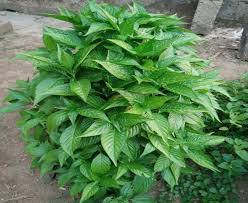
Justicia Leaves(500g): The Ultimate Blood-Building Herb in Traditional Medicine
Quantity
Free Shipping
On orders over ₦50,000
2 Year Warranty
Full coverage
30-Day Returns
Money-back guarantee
Product Features
- Justicia secunda (called “Blood herb,” “Blood leaf,” “Sanguinaria”).
- Justicia carnea (often grown ornamentally but also medicinal).
- Small shrubs with green to reddish leaves.
- When boiled, the water turns deep red or purple, which is why it is symbolically and medicinally tied to blood.
- Nigeria (West Africa): Hospital Too Far, Blood Tonic Leaf.
- Ghana: Asenewa.
- Caribbean: Blood Leaf, Sanguinaria.
- Haiti: Feuille à sang (Blood leaf).
- Guyana: Red Juice plant.
- South America (Amazon tribes): Yerba de sangre (Herb of blood).
- Pale lips, nails, and gums.
- Constant tiredness or fainting spells.
- Weakness in farming or housework.
- In women: dizziness during menstruation or after childbirth.
- Iron Content: Crucial for hemoglobin production.
- Chlorophyll: Plant “blood,” almost identical to hemoglobin.
- Flavonoids: Stimulate bone marrow activity.
- Calcium and Magnesium: Strengthen blood vessels and circulation.
- Antioxidants: Protect red blood cells from breakdown.
- “Hospital Too Far” remedy: Families keep Justicia growing in home gardens. When someone appears weak, they prepare a quick decoction.
- Children recovering from malaria: Malaria destroys red blood cells. Justicia tea helps rebuild blood.
- Women after childbirth: Midwives administer Justicia tonic to restore blood lost during labor.
- Used as a daily tea for children and adults to “keep the blood strong.”
- Midwives in Trinidad give it to new mothers for recovery.
- Believed to “cool and cleanse the blood,” especially in hot climates.
- Mixed with other herbs for menstrual recovery tonics.
- Used to help men regain strength after fever or infections.
- Take a handful of fresh leaves.
- Wash thoroughly.
- Boil in 2–3 cups of water for 10–15 minutes.
- Water turns deep red.
- Drink half a cup morning and evening.
- Wash leaves.
- Soak overnight in clean water.
- Drink in the morning.
- Leaves are soaked in water for 2–3 days until lightly fermented.
- Consumed in small amounts for blood enrichment.
- Honey makes it sweeter and adds nutritional value.
- In rural settings, a mild infusion is sometimes mixed with palm wine for adults as a strengthening tonic.
- Decoction (boiled tea): Half a teacup 1–2 times daily.
- Cold infusion: 1 glass in the morning.
- Duration: Typically taken for 1–3 weeks, depending on the severity of anemia.
- Decoction: 2–3 tablespoons daily (morning and evening).
- Cold infusion: Quarter to half glass daily.
- Often sweetened with honey to encourage compliance.
- Considered essential for women preparing for pregnancy (“good blood equals good fertility”).
- Restores menstrual regularity.
- Used postpartum to rebuild strength.
- Its red extract is seen as “life force” or “blood of the plant.”
- Used in spiritual cleansing rituals for vitality.
- Sometimes included in protective charms for women during pregnancy.
- High Iron Content: Laboratory tests show Justicia leaves contain significant iron levels.
- Boosts Hemoglobin: Animal studies show improved red blood cell count after Justicia supplementation.
- Antioxidant Effects: Protects against oxidative stress, common in anemia and infections.
- Avoid prolonged heavy use without breaks.
- Pregnant women should consult an experienced herbalist before use.
- Always wash leaves thoroughly to avoid contamination.
Justicia Leaves: The Ultimate Blood-Building Herb in Traditional Medicine
Introduction
Herbs have always been the bridge between humanity and nature. Long before laboratories and pharmacies, people turned to the leaves, roots, and barks around them for healing. Among these countless remedies, few have earned as much consistent respect as Justicia Leaves.
Revered in Africa, the Caribbean, and parts of South America as a blood-strengthening, vitality-restoring plant, Justicia is considered a natural “blood tonic” for conditions like anemia, fatigue, postpartum weakness, and general body depletion. In local communities, it is often the first herb offered to anyone who looks pale, tired, or “drained of blood.”
This article explores Justicia Leaves in their full traditional, nutritional, and healing context – highlighting their role as a blood-building herb, their use across cultures, preparation methods, safety, and broader benefits beyond anemia.
The Plant: What Are Justicia Leaves?
Justicia belongs to the Acanthaceae family, with several species used in folk medicine. Two of the most common are:
Both are used interchangeably in herbalism for their blood-building properties.
Appearance
Traditional Names of Justicia Leaves
Because of its widespread use, Justicia has gathered many traditional names:
Each of these names reflects the same cultural insight – this is the go-to herb when blood is weak.
The Core Healing Power: Blood-Building
The greatest reputation of Justicia Leaves is their ability to restore and enrich the blood.
Understanding Anemia in Traditional Medicine
In Western medicine, anemia is diagnosed by low hemoglobin levels. In traditional African and Caribbean healing, anemia is recognized by:
The elders would say: “The blood is low.”
How Justicia Builds Blood
Scientific and traditional perspectives agree: Justicia Leaves work because they are nutrient-dense.
This combination makes Justicia one of the most effective herbal remedies for iron-deficiency anemia.
Folk Uses: How Communities Apply Justicia Leaves
In Africa
In the Caribbean
In South America
Methods of Preparation
Herbal medicine is as much about preparation as the plant itself. Justicia Leaves are versatile, but the most respected methods include teas, decoctions, and tonics.
1. Justicia Blood Tonic Tea (Most Popular)
2. Cold Infusion (Gentler for Children)
This is less bitter and suitable for children and the elderly.
3. Fermented Tonic
4. Combination with Honey or Palm Wine
Dosage and Preparation (Children vs. Adults)
For Adults
For Children
⚠️ Always ensure leaves are washed thoroughly before preparation.
Beyond Blood-Building: Other Benefits
While anemia is the centerpiece of Justicia’s healing power, the plant is also used for multiple other conditions.
1. Fertility and Reproductive Health
2. Immunity
Blood and immunity are linked. By strengthening the blood, Justicia indirectly boosts resistance to infections.
3. Malaria and Fevers
Decoctions are used alongside other herbs to recover from malaria-induced blood loss.
4. Skin and Wound Healing
Applied topically to wounds, rashes, and sores.
5. Digestive Health
Stimulates appetite and improves nutrient absorption – vital for recovering anemic patients.
Justicia Leaves in Folk Rituals and Symbolism
In many communities, Justicia is not only medicinal but also symbolic.
This cultural depth shows why Justicia is deeply respected beyond being just a herb.
Scientific Validation
Recent studies confirm what traditional healers knew:
Case Examples from Traditional Practice
Example 1 – Child with Post-Malaria Anemia
A child recovering from malaria appears pale and weak. The grandmother prepares Justicia tea daily. Within 1–2 weeks, the child regains energy.
Example 2 – Postpartum Mother
After losing blood during delivery, a new mother is given Justicia tonic by the midwife. It restores her appetite and reduces dizziness.
Example 3 – Farmer’s Fatigue
A farmer who feels drained after long days in the sun drinks Justicia tea and reports improved stamina.
FAQs About Justicia Leaves
Q1: Can Justicia cure sickle cell anemia? No, but it can support blood health and reduce symptoms by enriching hemoglobin.
Q2: Can children take Justicia? Yes, in smaller doses (cold infusion is best).
Q3: How soon does it work? Mild anemia may improve within 1–2 weeks of daily use.
Q4: Is it safe during pregnancy? Caution is advised. Traditionally used after childbirth, not during pregnancy.
Q5: Can it be combined with other herbs? Yes – often combined with hibiscus (zobo), moringa, or ginger for stronger blood tonics.
Safety and Cautions
Conclusion
Justicia Leaves stand as one of nature’s purest blood tonics. Across Africa, the Caribbean, and South America, they have been used to fight anemia, restore postpartum strength, aid fertility, and protect against infections.
With iron, chlorophyll, antioxidants, and cultural depth, Justicia is both a medicine and a symbol of vitality. Whether consumed as tea, infusion, or tonic, it remains an indispensable herb in folk medicine – especially for those who seek natural ways to build and enrich their blood.