Lantana Leaves(500g): The Complete Guide to Their Traditional Healing Power and Health Benefits
Quantity
Free Shipping
On orders over ₦50,000
2 Year Warranty
Full coverage
30-Day Returns
Money-back guarantee
Product Features
- Tannins – astringent and wound-healing properties
- Flavonoids – antioxidants that fight free radicals
- Alkaloids – bioactive compounds with antimicrobial effects
- Essential oils – anti-inflammatory and soothing properties
- Yoruba (Nigeria): Ẹ̀fọ́ pupa ilẹ̀ or Èégún òdàn
- Igbo (Nigeria): Nchuanwu ugbo
- Hausa (Nigeria): Wutsiya makaho
- Swahili (East Africa): Kandambili
- Hindi (India): Raimuniya
- Tamil (India): Unnichedi
- Spanish (Latin America): Camará or Bananito silvestre
- Portuguese (Brazil): Camará-de-cheiro
- Coughs
- Colds and catarrh
- Bronchitis
- Asthma-like symptoms
- Relieves stomach cramps and bloating
- Reduces diarrhea and dysentery
- Supports liver detoxification
- Helps with indigestion
- Cleanse toxins from the blood
- Improve skin clarity
- Support reproductive health
- Strengthen immunity
- Fungal skin infections
- Yeast infections
- Oral sores and gum disease
- Boil a handful of fresh leaves in 2 cups of water for 15 minutes.
- Strain and allow to cool.
- Drink half a teacup, twice daily.
- Crush fresh leaves into a green paste.
- Apply directly to cuts, boils, or rashes.
- Bandage lightly and change every 6 hours.
- Boil a handful of leaves in a pot of water.
- Lean over the pot, cover with a cloth, and inhale the steam.
- Do this once daily for respiratory relief.
- Dry leaves in the sun and grind into powder.
- Boil 2 teaspoons of powder in 1 cup of water.
- Drink once daily after meals.
-
Adults:
- Tea: ½ cup, 1–2 times daily.
- Decoction: 1 teacup daily.
- Topical paste: applied as needed.
-
Children (above 5 years):
- Tea: 2–3 tablespoons, once daily.
- Decoction: ¼ teacup daily.
- Topical paste: small application on wounds.
- A 2018 study in the Journal of Ethnopharmacology confirmed its antibacterial and antifungal activity.
- A 2020 review in Phytotherapy Research highlighted its anti-inflammatory and hepatoprotective properties.
- Clinical observations suggest potential in managing diabetes and hypertension.
- Sharma, R. et al. (2018). Pharmacological insights of Lantana camara: A review. Journal of Ethnopharmacology.
- Singh, S., & Kumar, P. (2020). Phytochemical and therapeutic potential of Lantana camara. Phytotherapy Research.
- World Health Organization (WHO). (2002). Traditional Medicine Strategy. Geneva.
- Akinmoladun, F.O. (2019). Traditional uses of Lantana leaves in African herbalism. African Journal of Herbal Medicine.
- Gupta, R., & Tiwari, S. (2021). Antimicrobial activity of Lantana camara leaf extracts. International Journal of Herbal Pharmacology.
🌿 Lantana Leaves: The Complete Guide to Their Traditional Healing Power and Health Benefits
Introduction
For centuries, humanity has turned to plants as medicine—leaves, roots, fruits, and seeds that carry nature’s secrets for healing the body and nurturing the soul. Among these traditional treasures is the Lantana plant (Lantana camara), a shrub with bright, colorful flowers and leaves rich in healing power. While often dismissed as an ornamental or even invasive plant in some regions, Lantana leaves have held a sacred place in folk medicine across Africa, Asia, and Latin America.
Today, researchers are beginning to validate what traditional healers already knew: Lantana leaves health benefits are vast, ranging from fighting infections and purifying blood to soothing respiratory conditions, healing wounds, and even supporting liver function. In traditional medicine, few plants are as versatile as this one.
This article provides a comprehensive, blog-style educational exploration of Lantana leaves. We’ll explore their traditional uses, scientific findings, folk recipes, preparation methods, cultural significance, and healing benefits across multiple conditions. If you’ve ever wondered about the true potential of herbal medicine from Lantana leaves, this is the complete guide.
🌿 What Are Lantana Leaves?
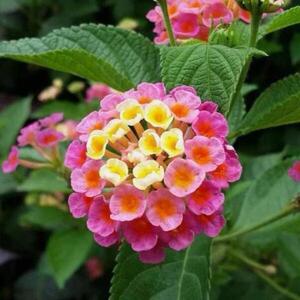
The Lantana camara plant belongs to the family Verbenaceae. It is native to the tropical Americas but has spread to Africa, Asia, and other warm regions, where it grows easily in villages, along roadsides, and in home gardens. Its flowers are small and vibrant, often changing colors as they mature—from yellow to pink, orange, or red.
The leaves themselves are oval, rough-textured, and strongly aromatic when crushed. Traditional healers have long recognized them as carriers of medicinal compounds such as:
For generations, healers have used Lantana leaves health benefits to treat conditions ranging from fevers and infections to digestive troubles and skin ailments.
🌿 Traditional African and Asian Names of Lantana Leaves
In many parts of the world, Lantana is recognized by local names, each tied to cultural practices and traditional medicine.
These names reflect the plant’s deep roots in folk healing traditions. While some communities use it mainly as a wound poultice, others see it as a blood purifier or a remedy for malaria and fevers.
🌿 Lantana Leaves Health Benefits
1. Herbal Medicine for Respiratory Health
One of the most common uses of Lantana leaves is for respiratory problems. Traditional healers boil the leaves into teas or inhalations to relieve:
Its natural anti-inflammatory compounds help open airways, while its antimicrobial effects fight throat infections.
2. Wound Healing and Skin Infections
When crushed into a paste or boiled into a decoction, Lantana leaves are applied externally to cuts, boils, ulcers, and rashes. The tannins in the leaves help stop bleeding, while their antimicrobial properties prevent infection.
In villages across Africa, children with skin infections are bathed in Lantana leaf water for rapid relief.
3. Fever and Malaria Remedy
Traditional healers often prescribe Lantana leaf tea for fevers and malaria symptoms. By inducing sweating and cooling the body, it supports natural immune response. Its bitter compounds act as a natural tonic for malaria management.
4. Digestive Support
Lantana leaves health benefits extend to the digestive system:
In traditional medicine, a mild Lantana leaf decoction is given to both children and adults for stomach upsets.
5. Blood Purification and Detoxification
One of the most important uses of Lantana leaves is as a blood purifier. Regular consumption of carefully prepared teas is believed to:
This is why Lantana leaves health benefits are highly valued in traditional medicine for general well-being.
6. Pain and Inflammation Relief
When applied topically or consumed as tea, Lantana leaves reduce swelling, joint pain, and rheumatic conditions. Folk healers often combine them with other herbs to create stronger anti-inflammatory remedies.
7. Women’s Health Support
In some traditions, Lantana leaves are used to regulate menstruation, ease painful cramps, and support postpartum recovery. Decoctions are also believed to promote reproductive balance.
8. Antimicrobial and Antifungal Properties
Scientific studies confirm that Lantana leaves fight harmful microbes, including bacteria and fungi. This explains their effectiveness in treating:
🌿 Traditional Recipes Using Lantana Leaves
1. Lantana Leaf Tea for Fever and Malaria
2. Poultice for Wounds and Skin Infections
3. Steam Inhalation for Cough and Cold
4. Decoction for Digestive Problems
🌿 Dosage and Preparation for Adults vs. Children
Because Lantana leaves health benefits are strong, dosage matters:
⚠️ Infants should not be given internal Lantana remedies unless under expert guidance.
🌿 Spiritual and Cultural Uses
In African folk spirituality, Lantana leaves are also used in cleansing baths and rituals to remove negative energy. The belief is that the plant purifies not only the blood but also the spirit. In Indian traditions, Lantana leaves are part of natural village remedies passed down by elders, symbolizing nature’s hidden healing gifts.
🌿 Modern Science and Lantana Leaves
Recent research validates many traditional uses of Lantana leaves:
This scientific evidence enhances the credibility of Lantana leaves health benefits, bridging the gap between folk medicine and modern healthcare.
🌿 Frequently Asked Questions (FAQ)
Q1: Are Lantana leaves safe for daily use? Yes, when used in small, controlled amounts such as teas or decoctions. Overuse may cause mild toxicity.
Q2: Can Lantana leaves help with hypertension? Yes, traditional medicine values them as a blood purifier and circulation-supporting herb, which indirectly supports blood pressure regulation.
Q3: Are there side effects? Excessive use can cause nausea, dizziness, or irritation. Always start with small doses.
Q4: Can pregnant women take Lantana leaves? Not without medical guidance. Some traditions restrict internal use during pregnancy.
Q5: Do Lantana leaves really heal wounds? Yes, both traditional use and modern studies confirm their wound-healing and antimicrobial effects.
🌿 Conclusion
The journey of Lantana leaves from “just another roadside plant” to a respected herbal medicine highlights the power of traditional healing. Whether used as a blood purifier, wound healer, respiratory remedy, or digestive aid, this plant has touched lives across continents for generations.
Today, the world is rediscovering what elders already knew: Lantana leaves health benefits are vast, real, and rooted in nature’s wisdom. With responsible use and further research, this humble leaf may find its rightful place as a global herbal remedy.