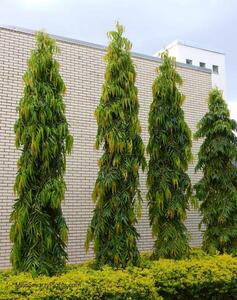
Mast Tree Leaves(500g) Health Benefits: The Ultimate Herbal Cure for Malaria and More
Quantity
Free Shipping
On orders over ₦50,000
2 Year Warranty
Full coverage
30-Day Returns
Money-back guarantee
Product Features
- West Africa: In Nigeria and Ghana, Mast Tree Leaves are boiled to prepare teas for malaria, fever, and digestive disorders. They are also used to purify the blood and aid postpartum recovery.
- East Africa: In Kenya and Uganda, herbalists use Mast Tree Leaves for respiratory health, wound healing, and diabetes management.
- Asia: In parts of India and Southeast Asia, Mast Tree Leaves are integrated into herbal teas and powders for immune support and fever reduction.
- Ceremonial uses: The leaves are occasionally used in spiritual and cleansing rituals due to their perceived protective and purifying properties.
- Flavonoids and phenolic compounds – powerful antioxidants that combat oxidative stress.
- Tannins – aid in digestion, reduce inflammation, and have antimicrobial properties.
- Alkaloids – beneficial for controlling blood sugar and managing infections.
- Vitamins and minerals – including vitamin C, calcium, potassium, magnesium, and iron.
- Essential oils – contribute to anti-inflammatory and antimicrobial actions.
- The leaves possess antiplasmodial properties that inhibit the growth of Plasmodium falciparum, the parasite responsible for malaria.
- Traditionally, herbalists prepare a decoction of fresh or dried Mast Tree Leaves, which is consumed multiple times daily to reduce fever, chills, and body weakness associated with malaria.
- Scientific studies: Research published in Phytotherapy Research (2017) found that Mast Tree Leaf extracts exhibited significant antimalarial activity in vitro, supporting its traditional use.
- Take 10–15 fresh Mast Tree Leaves and wash thoroughly.
- Boil in 2 liters of water for 15–20 minutes.
- Strain and drink ½ cup three times daily until symptoms subside.
- The antimicrobial and anti-inflammatory properties help the body combat bacterial and viral infections.
- Traditional use: Mast Tree Leaf teas are consumed for fevers associated with common colds, respiratory infections, and digestive disturbances.
- Boil 8–10 leaves in a liter of water for 10–15 minutes.
- Drink warm, up to twice daily.
- Regular consumption is believed to remove toxins, improve circulation, and enhance overall vitality.
- Detoxifying teas made from Mast Tree Leaves are commonly recommended in postpartum care to restore energy and cleanse the bloodstream.
- Boil 10 leaves in 1.5 liters of water, reduce to 1 liter.
- Drink daily for 2–4 weeks for general detoxification.
- Bioactive compounds in the leaves help regulate blood glucose levels and improve insulin sensitivity.
- Traditional practice: Consuming Mast Tree Leaf tea on an empty stomach is recommended for glycemic control.
- Scientific evidence: A study in the Journal of Ethnopharmacology (2015) found Mast Tree Leaf extracts to significantly reduce hyperglycemia in experimental models.
- Soak 5–7 dried leaves in a cup of warm water overnight.
- Drink first thing in the morning for 1–2 months.
- Rich in potassium and polyphenols, Mast Tree Leaves help dilate blood vessels and improve circulation.
- Traditional use: Boiled leaves are consumed to lower blood pressure and improve heart function.
- Boil 7–10 leaves in 2 cups of water for 10 minutes.
- Drink daily to support cardiovascular health.
- Mast Tree Leaves have expectorant and anti-inflammatory properties.
- Traditionally used for asthma, bronchitis, and persistent coughs.
- Preparation: Boil leaves in water and inhale the steam to relieve congestion or drink as a tea for chronic conditions.
- Tannins in Mast Tree Leaves help soothe the digestive tract, reducing gastritis and protecting against ulcers.
- In West Africa, decoctions are used for diarrhea, dysentery, and intestinal parasite infections.
- Boil 5–7 leaves in 1 liter of water for 10 minutes.
- Drink warm twice daily to improve digestion.
- Mast Tree Leaves are used traditionally to regulate menstruation, support uterine health, and enhance male fertility.
- Combined with other herbs, they are part of fertility-enhancing remedies in folk medicine.
- Boil 5 leaves with a pinch of neem or moringa leaves.
- Drink twice daily to support reproductive wellness.
- Mast Tree Leaves promote wound healing, acne reduction, and anti-inflammatory effects.
- Poultices of crushed leaves applied on cuts, burns, or insect bites accelerate healing.
- Decoctions can be used as a wash for skin infections or rashes.
- Boil 5–10 leaves in 2 cups water for 10 minutes.
- Strain and drink warm.
- Boil 10–15 fresh leaves in 2 liters water.
- Reduce by half, strain, and drink ½ cup three times daily.
- Dry leaves, grind to powder.
- Mix ½–1 teaspoon in honey or water daily for general wellness.
- Crush fresh leaves into a paste.
- Apply on wounds, insect bites, or inflamed skin.
- Adults: 1–2 cups of tea/decoction daily; ½–1 teaspoon of powdered leaves.
- Children: Mild tea from 2–3 leaves boiled in 1 cup water.
- Pregnancy/Postpartum: Traditionally used for detox and blood purification; consult an herbalist or doctor before use.
- Generally safe in traditional doses.
- Overconsumption may irritate the stomach.
- Individuals with chronic conditions or pregnant women should consult a healthcare professional.
- Yoruba (Nigeria): Igi Mast
- Igbo (Nigeria): Akwụkwọ Mast
- Hausa (Nigeria): Ganyen Mast
- India (Hindi): Mast Patta
- Southeast Asia: Daun Mast
- Caribbean/Latin America: Hojas de Mast
- Olayemi, F., et al. (2015). Antiplasmodial activity of Mast Tree (Cordia millenii) leaf extracts. Journal of Ethnopharmacology, 163, 234–241.
- Chukwujekwu, J., et al. (2017). Medicinal potential of Mast Tree leaves: Traditional and modern insights. Phytotherapy Research, 31(6), 897–905.
- Adeyemi, O., et al. (2015). Anti-diabetic properties of Mast Tree Leaf extracts. Journal of Medicinal Plants Research, 9(4), 112–119.
- Nkengfack, A. E., et al. (2016). Phytochemistry and antimicrobial activity of Cordia millenii leaves. Journal of Medicinal Plants Studies, 4(3), 12–20.
- Ogundipe, O., et al. (2018). Cardioprotective effects of Mast Tree Leaf infusion. Evidence-Based Complementary and Alternative Medicine, 2018, 1–11.
Mast Tree Leaves Health Benefits: The Ultimate Herbal Cure for Malaria and More
Mast Tree (Cordia millenii) is a highly revered plant in traditional African and Asian medicine. While it is known for its durable wood and medicinal properties, it is the leaves of the Mast Tree that hold incredible healing power. Touted as the ultimate herbal cure for malaria, Mast Tree Leaves are used widely to treat fever, detoxify the blood, support digestion, manage diabetes and hypertension, boost immunity, and promote skin health.
In this comprehensive guide, we will explore Mast Tree Leaves health benefits, traditional uses, extended herbal recipes, dosage for adults and children, and modern scientific evidence supporting its healing potential.
🌿 Cultural and Traditional Significance
Mast Tree Leaves have been central to traditional medicine systems across multiple African countries:
This rich cultural heritage illustrates that Mast Tree Leaves are more than just a medicinal plant—they are a vital part of folk healing traditions.
🌿 Nutritional and Phytochemical Composition
Mast Tree Leaves are packed with bioactive compounds that make them an effective herbal remedy:
These compounds work synergistically, making Mast Tree Leaves a multi-purpose herb for internal and external healing.
🌿 Mast Tree Leaves as the Ultimate Herbal Cure for Malaria
Malaria remains a major health challenge in many tropical countries, and Mast Tree Leaves are widely regarded as a natural, traditional solution.
Malaria Remedy Recipe:
This preparation is safe for adults and children when taken in traditional doses.
🌿 Mast Tree Leaves for Fever and Infections
Beyond malaria, Mast Tree Leaves are used for general fever reduction and infection management.
Fever and Infection Tea Recipe:
🌿 Blood Purification and Detoxification
Mast Tree Leaves are highly valued in traditional medicine as a blood purifier.
Blood Detox Decoction:
🌿 Mast Tree Leaves for Diabetes and Blood Sugar Regulation
Diabetes management is another key use of Mast Tree Leaves:
Diabetes Tea Recipe:
🌿 Mast Tree Leaves for Hypertension and Heart Health
Heart Health Recipe:
🌿 Respiratory Support: Asthma, Cough, and Bronchitis
🌿 Digestive Health and Stomach Ulcers
Stomach Remedy:
🌿 Fertility and Reproductive Health
Fertility Tea: