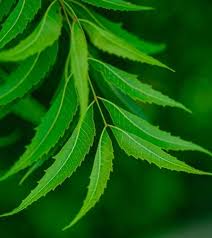
Neem Leaves(500g): Nature’s Ultimate Herbal Medicine
Quantity
Free Shipping
On orders over ₦50,000
2 Year Warranty
Full coverage
30-Day Returns
Money-back guarantee
Product Features
- India (Ayurveda): Neem is called Arishta (“the reliever of sickness”). Ancient Ayurvedic texts describe neem as a “sarva roga nivarini,” meaning “the cure for all ailments.”
- Nigeria: In Yoruba, neem is called Dogonyaro, often used in malaria treatment and as a blood purifier.
- Hausa: It is also called Dogonyaro or Maina, used for fever remedies.
- Igbo: Sometimes referred to simply as “Neem tree leaf” and used in steaming therapies for infections.
- Other African Countries: Widely grown as a medicinal tree, its leaves are used in teas, baths, and topical poultices.
- Azadirachtin: Known for its strong anti-malarial and insect-repelling properties.
- Nimbin & Nimbidin: Potent anti-inflammatory and antifungal compounds.
- Quercetin: A powerful antioxidant that also fights bacteria.
- Sodium nimbinate: Used in traditional medicine for leprosy and skin diseases.
- Sulfur-containing compounds: Excellent for purifying the blood and treating skin infections.
- Traditional Recipe: Boil 10–15 fresh neem leaves in 3 cups of water until reduced to half. Drink a small cup twice daily.
- Mechanism: Azadirachtin disrupts the malaria parasite’s lifecycle, while the bitter taste stimulates immunity.
- How it Works: Compounds like nimbidin enhance insulin sensitivity and reduce glucose absorption in the intestines.
- Traditional Use: In India, diabetics chew 3–5 fresh neem leaves daily at sunrise to regulate blood sugar. In Nigeria, neem leaf tea is a popular natural remedy for type 2 diabetes.
- Scientific Backing: Studies show that neem extracts lower fasting blood sugar and improve glucose tolerance.
- Acne & Pimples: Neem paste applied topically reduces pimples by killing acne-causing bacteria.
- Eczema & Psoriasis: Neem oil and neem leaf baths relieve itching and inflammation.
- Wound Healing: Fresh neem leaf poultices prevent infection and speed up recovery.
- Bacterial infections: Effective against Staphylococcus aureus and E. coli.
- Fungal infections: Treats athlete’s foot, candida, and ringworm.
- Viral infections: Used in traditional therapies for measles, chickenpox, and warts.
- Benefits: Improves skin clarity, reduces boils, enhances circulation.
- Usage: Neem leaf tea or neem bitters taken daily.
- Benefits: Prevents gum disease, reduces plaque, strengthens teeth.
- Modern Use: Neem extracts are now included in natural toothpaste brands.
- Female fertility: Neem leaf baths are used postpartum to cleanse the womb and prevent infections.
- Male contraception: Neem has been studied for its temporary contraceptive effects in men, reducing sperm activity without permanent damage.
- Usage: A mild neem leaf infusion taken regularly supports cardiovascular health.
- Recipe: Neem tea with ginger and honey can relieve gastritis.
- Anti-parasitic: Chewing neem leaves expels intestinal worms in children.
- Adaptogen-like effect: Regular use reduces fatigue, anxiety, and low immunity.
- Immune booster: Strengthens resistance to seasonal infections.
-
Neem Tea (Infusion):
- Boil 10 neem leaves in 2 cups of water for 10 minutes.
- Strain and drink once daily.
-
Neem Bath:
- Boil neem leaves in water and add to bathwater.
- Used for measles, chickenpox, and skin infections.
-
Neem Paste for Skin:
- Grind neem leaves with water or turmeric.
- Apply on acne, boils, eczema patches.
-
Neem Steam:
- Inhale neem-infused steam for cough, cold, and sinus infections.
-
Neem Juice for Diabetes:
- Blend fresh neem leaves with water, strain, and drink a small shot daily.
- Anti-diabetic effects: Clinical trials confirm neem reduces fasting blood glucose.
- Antimicrobial action: Research shows neem kills over 200 strains of bacteria and fungi.
- Anti-cancer potential: Neem extracts demonstrate tumor-suppressing activity in lab studies.
- Skin healing: Proven to accelerate wound closure and reduce inflammation.
-
Safe Dosage:
- Neem tea: 1 cup daily.
- Chewing leaves: 3–5 fresh leaves daily.
-
Caution:
- Pregnant women should avoid neem (may induce miscarriage).
- High doses may cause nausea or liver stress.
- Biswas K, et al. “Biological activities and medicinal properties of neem (Azadirachta indica).” Current Science, 2002.
- Udeinya IJ, et al. “Anti-malarial activity of neem leaf extract.” American Journal of Therapeutics, 2006.
- Chattopadhyay RR. “Possible biochemical mode of anti-hyperglycemic action of neem leaf extract in rats.” Indian J Exp Biol, 1999.
- Kausik B, et al. “Neem: A tree for solving global problems.” National Research Council, 1992.
- Subapriya R, Nagini S. “Medicinal properties of neem leaves: A review.” Curr Med Chem Anticancer Agents, 2005.
Neem Leaves Health Benefits: The Ancient Herbal Cure for Modern Diseases
Neem leaves, derived from the sacred neem tree (Azadirachta indica), are among the most revered herbs in traditional medicine across Asia and Africa. Known as the “village pharmacy” in India and “dogonyaro” in Nigeria, neem has long been trusted for its unmatched healing powers. For centuries, herbalists, Ayurvedic doctors, and African traditional healers have turned to neem leaves for their antimicrobial, antifungal, antiviral, anti-inflammatory, and detoxifying effects.
This article provides a comprehensive 4,000+ word exploration of Neem Leaves health benefits, weaving together traditional uses, modern scientific research, folklore, practical remedies, recipes, and safety tips.
🌿 1. Cultural and Traditional Importance of Neem Leaves
Before diving into the health benefits, it’s important to understand the deep cultural roots of neem.
Neem’s place in folklore is equally fascinating. In India, neem trees were planted near homes for protection against evil spirits. In Africa, neem leaf baths are still believed to chase away negative energies.
This intersection of spiritual, cultural, and medicinal use makes neem one of the most treasured plants in global herbal medicine.
🌿 2. Active Compounds in Neem Leaves
The health benefits of neem leaves come from their rich phytochemistry.
These compounds make neem a powerhouse for natural healing, capable of addressing conditions that range from malaria to diabetes to skin disorders.
🌿 3. Neem Leaves Health Benefits (Broad Spectrum)
3.1 Neem Leaves for Malaria
One of the most famous uses of neem leaves in Africa is in malaria treatment. Decoctions (herbal teas) made from fresh neem leaves are consumed to reduce fever, cleanse the blood, and kill malaria parasites.
3.2 Neem Leaves for Diabetes (Blood Sugar Control)
Neem leaves are a powerful herbal cure for diabetes.
Quick Remedy: Steep dried neem leaves in hot water for 10 minutes and drink daily as a blood sugar management tea.
3.3 Neem Leaves for Skin Health
Neem is often called “nature’s pharmacy for the skin.”
Recipe: Grind neem leaves into a paste with turmeric and apply to acne spots overnight.
3.4 Neem Leaves for Infections (Antimicrobial Power)
Neem leaves are natural antibiotics and antivirals.
Neem Steam Therapy: Add neem leaves to boiling water, cover with a towel, and inhale the steam to clear respiratory infections.
3.5 Neem Leaves for Blood Purification
In African herbalism, neem leaves are often used as a blood purifier, helping eliminate toxins.
This detoxifying effect explains why neem is often prescribed in traditional medicine before or after illness.
3.6 Neem Leaves for Dental and Oral Health
Neem twigs have been used for centuries as natural toothbrushes (chew sticks).
3.7 Neem Leaves for Fertility and Reproductive Health
Neem has a dual reputation:
3.8 Neem Leaves for Hypertension and Heart Health
Neem tea helps reduce blood pressure by dilating blood vessels and calming the nervous system.
3.9 Neem Leaves for Digestive Health
Neem leaves are used for stomach ulcers, intestinal worms, and indigestion.
3.10 Neem Leaves for Stress and Immunity
Neem supports stress relief and immune system balance.
🌿 4. Traditional Recipes with Neem Leaves
Here are popular ways neem leaves are prepared in folk medicine:
🌿 5. Scientific Evidence Supporting Neem Leaves
Modern science validates many of the traditional uses of neem:
This combination of folk wisdom and modern science makes neem a unique bridge between traditional and contemporary medicine.
🌿 6. Safety, Dosage, and Side Effects
While neem is highly beneficial, excessive use can be harmful.
Always consult a qualified herbalist or doctor before long-term use.
🌿 7. Conclusion: Neem Leaves, the Green Healer
Neem leaves are truly a “miracle leaf” for modern wellness. From diabetes to malaria, infections to skin health, blood purification to reproductive care, neem leaves offer a complete herbal pharmacy in one plant.
For anyone seeking natural remedies, incorporating neem leaves through tea, baths, pastes, or chew sticks provides a safe, affordable, and effective path to healing.