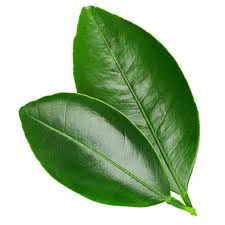
Orange Tree Leaves, the Hidden Herbal Cure for Blood Sugar Balance (500)
Quantity
Free Shipping
On orders over ₦50,000
2 Year Warranty
Full coverage
30-Day Returns
Money-back guarantee
Product Features
- As a tea for calming anxiety and insomnia.
- In poultices to reduce inflammation.
- To support digestion and ease bloating.
- As a remedy for infections due to their antimicrobial nature.
-
Improving Insulin Sensitivity Flavonoids such as hesperidin and naringenin enhance the body’s response to insulin, allowing glucose to move more efficiently from the bloodstream into the cells.
-
Slowing Carbohydrate Absorption Compounds in the leaves act like natural inhibitors of enzymes (like alpha-amylase and alpha-glucosidase), which break down carbohydrates into glucose. This means sugar enters the bloodstream more gradually, preventing dangerous spikes.
-
Protecting the Pancreas The pancreas plays a key role in producing insulin. Antioxidants in orange tree leaves help shield pancreatic beta cells from oxidative stress, supporting healthier insulin production.
-
Reducing Inflammation Linked to Diabetes Chronic inflammation is a root cause of insulin resistance. The anti-inflammatory properties of orange tree leaves help combat this problem, indirectly supporting blood sugar balance.
- Orange Leaf Tea: Steep 5–7 fresh or dried leaves in hot water for 10 minutes. Drink once or twice daily.
- Powdered Form: Dried leaves can be ground into powder and added to smoothies or herbal capsules.
- Decoction: Boil leaves for 15–20 minutes for a stronger extraction, often used in traditional medicine.
- In West Africa, orange leaf infusions are used for fevers, malaria symptoms, and blood sugar management.
- In Asia, particularly in China and India, the leaves are prescribed for digestive and nervous disorders.
- In Latin America, orange leaf teas are a common home remedy for insomnia and stress.
- Morning Routine: Start your day with a warm cup of orange leaf tea to stabilize blood sugar before meals.
- After Meals: Drink tea after carbohydrate-heavy meals to prevent glucose spikes.
- Evening Relaxation: Use the tea as a calming bedtime ritual to improve sleep.
- Topical Applications: Apply crushed leaves to skin irritations for quick relief.
- Pregnant or breastfeeding women should consult a doctor.
- People on blood sugar medication should monitor levels to avoid hypoglycemia.
- Always wash fresh leaves before use.
- Enhance insulin sensitivity,
- Slow carbohydrate absorption,
- Protect the pancreas, and
- Fight inflammation,
Orange Tree Leaves, the Hidden Herbal Cure for Blood Sugar Balance
For centuries, humanity has looked to nature for healing. Among the countless plants with medicinal properties, orange tree leaves remain one of the least talked about, yet they carry a wealth of therapeutic power. Often overshadowed by the fruit itself, these leaves are packed with bioactive compounds that have been used in traditional medicine for centuries. Today, researchers and herbalists alike are uncovering the remarkable truth: Orange Tree Leaves are the hidden herbal cure for blood sugar balance.
While oranges are celebrated for their vitamin C, immune-boosting properties, and refreshing taste, their leaves are slowly stepping into the spotlight for their extraordinary role in supporting healthy blood sugar levels and offering a natural way to manage diabetes. This article takes a deep dive into the science, history, and traditional uses of orange tree leaves, revealing why they are one of nature’s most underrated herbal remedies.
1. Rediscovering Orange Tree Leaves in Herbal Medicine
The orange tree (Citrus sinensis) has long been cultivated for its juicy fruit, fragrant flowers, and rich oils. But in many parts of Asia, Africa, and Latin America, the leaves have held a special place in folk remedies. Infusions, teas, and decoctions of orange leaves have been prescribed for everything from indigestion to nervousness.
Traditional healers often used orange tree leaves:
But one of the most consistent uses across cultures has been blood sugar management. Communities with limited access to pharmaceuticals relied on these leaves as a safe, natural way to manage diabetes symptoms, and modern science is now validating these traditional practices.
2. Orange Tree Leaves and Blood Sugar Balance
The central keyword in this discussion is clear: Orange Tree Leaves, the hidden herbal cure for blood sugar balance.
2.1. How Orange Tree Leaves Support Blood Sugar Regulation
Orange leaves are loaded with flavonoids, polyphenols, and essential oils that work synergistically to regulate glucose metabolism. These bioactive compounds help in several ways:
2.2. Scientific Evidence
Emerging studies show that citrus leaf extracts can significantly reduce blood sugar levels in diabetic test models. Polyphenolic compounds in the leaves not only lower fasting blood glucose but also improve lipid profiles, meaning they reduce cholesterol and triglycerides, which are often high in diabetic patients.
The powerful synergy between antioxidants and flavonoids makes orange leaves a promising herbal alternative for people seeking natural ways to manage diabetes without harsh side effects.
3. Preparing Orange Tree Leaves for Blood Sugar Management
There are multiple ways to harness the benefits of orange tree leaves:
For diabetes management, tea or decoctions are the most commonly recommended. Consistency is key, as herbal remedies often work gradually.
4. Other Health Benefits of Orange Tree Leaves
While blood sugar balance is the most significant modern discovery about these leaves, their benefits go far beyond diabetes.
4.1. Digestive Health
Orange leaf tea is a natural digestive aid. It relieves bloating, gas, constipation, and stomach cramps. Its carminative properties soothe the gastrointestinal tract, making it ideal after heavy meals.
4.2. Stress Relief and Better Sleep
One of the most traditional uses of orange leaves is for relaxation. The leaves contain mild sedative compounds that calm the nervous system, reduce anxiety, and promote restful sleep. In fact, orange leaf tea is often called “nature’s sleeping pill.”
4.3. Anti-Inflammatory and Pain Relief
Orange leaves possess strong anti-inflammatory compounds that help reduce swelling and pain, making them beneficial for conditions like arthritis or muscle soreness.
4.4. Boosting Immunity
Packed with antioxidants and vitamin C precursors, orange leaves strengthen the immune system, helping the body fight infections, colds, and flu.
4.5. Skin Health
The antibacterial and antifungal properties of orange leaves can be used to treat acne, rashes, and skin infections. Some traditional remedies include crushing the leaves into a paste for topical use.
4.6. Improved Circulation and Heart Health
By reducing cholesterol and improving blood vessel elasticity, orange tree leaves support cardiovascular health. This is especially important for diabetics, who are at higher risk of heart disease.
4.7. Weight Management
Because they slow carbohydrate absorption and improve digestion, orange leaves indirectly help with weight management.
5. Orange Tree Leaves in Traditional Medicine
This widespread use across cultures underscores their versatility and healing potential.
6. How to Incorporate Orange Tree Leaves Into Your Lifestyle
7. Safety and Precautions
Orange tree leaves are generally safe when used in moderate amounts. However:
8. Why Orange Tree Leaves Are the Hidden Herbal Cure for Blood Sugar Balance
Orange tree leaves are more than just a byproduct of citrus farming; they are a treasure trove of health benefits. Their ability to:
…makes them a powerful herbal ally against diabetes.
Yet, their versatility extends far beyond blood sugar management. From soothing stress to aiding digestion and boosting immunity, orange tree leaves deserve recognition as one of nature’s finest herbal medicines.
If you are searching for a safe, natural, and effective way to balance blood sugar, while also improving your overall health, then look no further: Orange Tree Leaves truly are the hidden herbal cure for blood sugar balance.