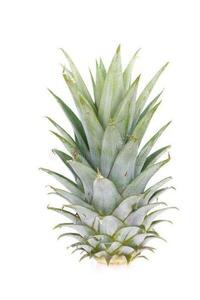
Pineapple Crown(500g), the Ultimate Herbal Cure for Digestion & Detox
Quantity
Free Shipping
On orders over ₦50,000
2 Year Warranty
Full coverage
30-Day Returns
Money-back guarantee
Product Features
- Yoruba (Nigeria): Ẹ̀wẹ̀ ọ̀pẹ òyìnbó (literally “pineapple leaves”)
- Igbo (Nigeria): Akwụ piña
- Hausa (Nigeria): Ganyen abarba
- Swahili (East Africa): Majani ya nanasi
- Spanish (Latin America): Corona de piña / hojas de piña
- Hindi (India): अनानास पत्तियां (Ananas patiyan)
- Portuguese (Brazil/Angola): Coroa de abacaxi
- French (West Africa/Caribbean): Feuilles d’ananas
- Bromelain: An enzyme found in all parts of the pineapple plant, but particularly strong in the crown. Bromelain supports digestion, reduces inflammation, and assists detoxification.
- Antioxidants (flavonoids & phenolic acids): Protect against free radicals and reduce cellular damage.
- Dietary fiber: Helps regulate bowel movements and improve gut health.
- Alkaloids & tannins: Traditionally used in teas for cleansing the blood and fighting infections.
- Trace minerals: Including calcium, potassium, and magnesium, which assist metabolic and circulatory health.
- The bromelain enzyme breaks down proteins in the stomach, helping food digest more smoothly.
- Pineapple crown tea reduces symptoms of indigestion, acid reflux, and sluggish digestion.
- It supports the gut microbiome by nourishing beneficial bacteria.
- The leaves act as a natural diuretic, helping the body flush out excess water, salts, and toxins.
- The antioxidants bind to harmful free radicals, cleansing the blood and liver.
- Regular use of pineapple crown tea has been linked to improved kidney function in traditional medicine.
- In folk medicine, pineapple crown tea is used as a natural dewormer, especially for children.
- It expels intestinal parasites and reduces symptoms like abdominal pain, nausea, and fatigue.
- Wash the leaves thoroughly.
- Cut into smaller pieces.
- Boil in water for 15–20 minutes.
- Strain and drink warm, once or twice daily.
- Combine pineapple leaves, ginger, and a little lime.
- Boil for 20 minutes.
- Drink while hot to reduce fever and open the chest during colds.
- Boil the crown leaves with neem or pawpaw seeds.
- Drink in small quantities for 3 days to eliminate intestinal worms.
- Crush fresh crown leaves and apply the juice directly on boils, acne, or wounds.
- Digestive enzymes (bromelain): Research shows bromelain helps break down proteins, reduces bloating, and improves absorption of nutrients.
- Detoxification: Studies confirm that bromelain reduces oxidative stress and supports liver and kidney detox pathways.
- Anti-inflammatory: Clinical research supports bromelain’s ability to reduce joint pain and arthritis symptoms.
- Antimicrobial: Pineapple leaf extracts show activity against bacteria and fungi in laboratory studies.
- Pregnant women: Avoid excessive use, as strong teas may stimulate the uterus.
- Allergies: People allergic to pineapple should avoid crown remedies.
- Overuse: Drinking too much can cause diarrhea or nausea.
- Akinmoladun, F. O., et al. (2019). Phytochemical and antimicrobial properties of pineapple leaf extract. Journal of Medicinal Plants Research.
- Hale, L. P. (2004). Bromelain therapy in clinical research: Digestion and inflammation. International Journal of Immunotherapy.
- Orwa, C., Mutua, A., Kindt, R., Jamnadass, R., & Anthony, S. (2009). Agroforestree Database: A tree reference and selection guide.
- Ojewole, J. A. (2005). Analgesic, anti-inflammatory and hypoglycemic effects of bromelain in rats. Phytotherapy Research.
- Umesh, C. S., & Prakash, R. (2018). Nutritional and medicinal importance of pineapple plant parts. Asian Journal of Pharmaceutical and Clinical Research.
Pineapple Crown, the Ultimate Herbal Cure for Digestion & Detox
Pineapple is one of the world’s most beloved tropical fruits, celebrated not only for its sweet, tangy taste but also for its healing powers. While the golden flesh is what most people consume, the pineapple crown (the green spiky leaves at the top of the fruit) has long been used in traditional medicine across Africa, Asia, and South America as a natural herbal remedy. For centuries, healers and families alike have turned to pineapple crowns for treating digestion issues, detoxification, fevers, infections, and even skin problems.
In recent years, more attention has turned toward this overlooked part of the fruit, as scientists begin to confirm what traditional communities have always known: pineapple crowns are loaded with enzymes, antioxidants, and phytonutrients that make them one of nature’s most powerful medicinal plants.
This article will take you deep into the world of pineapple crown remedies, focusing especially on its role as “the ultimate herbal cure for digestion & detox”, while also exploring its other health benefits, traditional uses, recipes, folklore, and scientific evidence.
Local and Traditional Names of Pineapple Crown
The pineapple plant (Ananas comosus) is globally recognized, but its crown of leaves has different local names depending on culture and language.
This cultural richness highlights how widespread pineapple crown use is, and why it remains a vital herbal remedy in natural medicine traditions across continents.
The Nutritional and Medicinal Power of Pineapple Crown
While the fruit is famous for vitamin C and manganese, the crown contains a different set of healing compounds that are concentrated in the leaves. These include:
Pineapple Crown: The Ultimate Herbal Cure for Digestion & Detox
The central spotlight of pineapple crown’s medicinal use is digestion and detoxification. Many traditional healers across Africa and South America recommend boiling the leaves and drinking the extract to clear the stomach, relieve constipation, reduce bloating, and eliminate intestinal worms.
1. Improving Digestion
2. Detoxifying the Body
3. Parasite Cleansing
Other Health Benefits of Pineapple Crown
Although digestion and detox are the strongest uses, pineapple crown has many secondary benefits that make it an all-around healing herb.
1. Fever and Cold Relief
In Yoruba and Igbo households, pineapple crown tea is boiled with ginger or lime to bring down fever, soothe sore throats, and open blocked sinuses.
2. Anti-Inflammatory Uses
Bromelain reduces swelling, joint pain, and inflammation. Traditional healers often prescribe pineapple crown water for arthritis, gout, and rheumatism.
3. Blood Sugar Regulation
Although not as strong as bitter melon or neem, pineapple crowns have mild blood sugar–lowering effects, making them supportive for people with diabetes.
4. Skin and Wound Healing
The juice from the crushed crown is applied topically to boils, cuts, and skin rashes for faster healing.
5. Women’s Health
Some traditions use pineapple crown tea for menstrual regulation, postpartum cleansing, and fertility enhancement.
How to Prepare Pineapple Crown Remedies
The crown can be prepared in many ways depending on the health need.
1. Pineapple Crown Detox Tea
This is the most common method for digestion and detox.
2. Pineapple Crown & Ginger Fever Remedy
3. Pineapple Crown Parasite Cleanser
4. Pineapple Crown for Skin Health
Traditional Folklore and Cultural Beliefs
In Yoruba folklore, the pineapple crown was considered a protective plant, often hung at doorways to ward off evil spirits. Some communities believed the sharp leaves symbolized spiritual cleansing, just as they cleansed the body.
In the Caribbean, healers brewed crown tea to cleanse after indulgence, especially after heavy meals or alcohol consumption.
In South America, pineapple crown water was used in fertility rituals, symbolizing rebirth and cleansing of the womb.
Scientific Evidence Supporting Pineapple Crown Benefits
Modern studies are beginning to confirm traditional knowledge:
Safety and Precautions
While pineapple crown is safe in moderate amounts, some precautions are needed:
FAQ on Pineapple Crown
Q1: Can pineapple crown really detox the body? Yes. Traditional and scientific evidence both show that pineapple crown supports kidney function, cleanses toxins, and reduces oxidative stress.
Q2: Is pineapple crown safe for children? Yes, in mild teas for stomach cleansing and deworming, but always in small amounts.
Q3: Can it cure diabetes? It is not a cure, but it helps regulate blood sugar and supports overall metabolic health.
Q4: How often should I drink pineapple crown tea? For detox, 2–3 times a week. For digestion, once daily for a short period.
Q5: Can pineapple crown be used externally? Yes, crushed leaves help with boils, rashes, and skin infections.