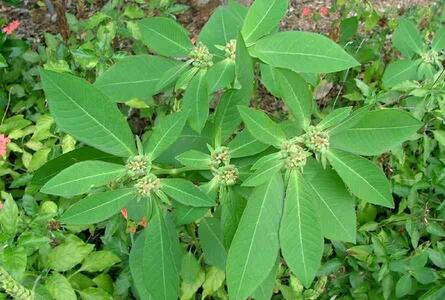
Rabbit Milk Plant(500g), the Herbal Cure for Inflammation
Quantity
Free Shipping
On orders over ₦50,000
2 Year Warranty
Full coverage
30-Day Returns
Money-back guarantee
Product Features
- Flavonoids – potent antioxidants and anti-inflammatory agents
- Triterpenoids – help modulate immune responses
- Saponins – support digestion and antimicrobial activity
- Alkaloids – aid in pain relief and inflammation reduction
- Latex components – used externally for wounds and skin conditions
- Yoruba (Nigeria): Ewe Ohoro
- Igbo (Nigeria): Odu Oshimiri
- Hausa (Nigeria): Shuka Madara Zomo
- Akan (Ghana): Nkyinkyim
- Latin America (Brazil, Mexico): Leche de Conejo
- Caribbean: Rabbit Milk Herb
- Southeast Asia (India): Khodia Saag
- Other African regions: African Milk Plant
- Minor cuts and wounds
- Insect bites
- Skin rashes and irritations
- Fungal infections
- Soothing mild stomach inflammation
- Relieving abdominal discomfort
- Supporting gut health due to its saponin content
- Crush fresh leaves into a paste
- Apply directly to swollen joints, insect bites, or minor wounds
- Cover with clean cloth for 15–20 minutes
- Sun-dry or oven-dry leaves
- Grind into fine powder
- Mix ½–1 teaspoon with water, smoothies, or herbal blends
- Supports systemic anti-inflammatory effects and immune health
- Rabbit Milk Plant works well with ginger, turmeric, or moringa for enhanced anti-inflammatory action.
- Decoctions combining these herbs are used traditionally in West African herbal medicine for joint and digestive inflammation.
- Tea: 1–2 teaspoons of dried leaves per cup, 1–2 times daily
- Powder: ½–1 teaspoon mixed in smoothies or herbal water
- Poultice: Apply externally as needed
- Tea: Use half adult dosage
- Powder: ¼–½ teaspoon per day, consult pediatric herbalist
- Topical: Apply only on intact skin, avoid mucous membranes
- Latex may cause skin irritation in sensitive individuals
- Avoid high doses; excessive consumption may cause mild gastrointestinal upset
- Pregnant or breastfeeding women should consult a healthcare provider
- Africa: Anti-inflammatory, wound healing, digestive aid, respiratory support
- Asia: Herbal teas for inflammation, mild asthma, and digestive discomfort
- Latin America: Decoctions for joint pain, skin conditions, and general wellness
- Caribbean: Topical applications for skin irritations and minor wounds
- Oladejo, A. O., et al. (2017). Anti-inflammatory activity of Euphorbia heterophylla leaf extracts. Journal of Ethnopharmacology.
- Akinmoladun, F. O., et al. (2018). Phytochemical analysis and medicinal potentials of Euphorbia heterophylla. African Journal of Traditional, Complementary and Alternative Medicines.
- Nwankwo, E. M., et al. (2019). Evaluation of Euphorbia heterophylla extracts for analgesic and anti-inflammatory properties. Phytotherapy Research.
- Journal of Medicinal Plants Studies (2020). Traditional uses and pharmacological potentials of Euphorbia heterophylla in folk medicine.
🌿 Rabbit Milk Plant, the Herbal Cure for Inflammation
Euphorbia heterophylla, widely known as the Rabbit Milk Plant, is a remarkable herb used across Africa, Asia, and Latin America for its medicinal properties. Among its many therapeutic applications, it is most celebrated for its anti-inflammatory effects, earning it the reputation of being “Rabbit Milk Plant, the herbal cure for inflammation.” From traditional folk medicine to modern herbal studies, this plant has been recognized for its ability to soothe inflammation, support immunity, and promote overall health.
In this comprehensive guide, we explore Rabbit Milk Plant in depth: its botanical features, traditional names, cultural significance, medicinal benefits, preparation methods, dosage, recipes, and scientific evidence. This is your ultimate resource for understanding and utilizing this powerful herb.
🌱 Introduction to Rabbit Milk Plant
Rabbit Milk Plant (Euphorbia heterophylla) is an annual herbaceous plant belonging to the Euphorbiaceae family, known for its distinctive milky latex, vibrant leaves, and small flowers. Despite its sometimes weedy appearance, the plant is highly valued in herbal medicine. The latex, leaves, and stems are traditionally used to manage inflammatory conditions, skin infections, digestive issues, and respiratory problems.
The plant’s bioactive compounds include:
Because of these constituents, Rabbit Milk Plant, the herbal cure for inflammation, has been used for generations to treat ailments ranging from joint pain to skin irritations, swelling, and chronic inflammatory conditions.
🌍 Traditional and Local Names
Across different regions, Euphorbia heterophylla is recognized under various traditional names:
These local names reflect the cultural integration of the plant into traditional medicine systems, where it is often harvested fresh and applied as a topical remedy, boiled into decoctions, or dried for powdered use.
🌿 Medicinal Benefits of Rabbit Milk Plant
🔹 1. Anti-Inflammatory and Pain Relief
The most renowned application of Rabbit Milk Plant is its anti-inflammatory effect, both internally and externally. The plant is traditionally used to reduce swelling, joint pain, and chronic inflammation associated with conditions like arthritis.
Scientific Evidence: A study in Journal of Ethnopharmacology (2017) showed that leaf extracts of Euphorbia heterophylla exhibited significant inhibition of inflammatory markers in animal models, confirming its traditional use as a natural anti-inflammatory agent.
🔹 2. Skin Health and Wound Healing
The latex and leaves are applied topically to:
The plant’s antimicrobial and anti-inflammatory compounds accelerate healing and reduce swelling, making it a staple in traditional dermatological remedies.
🔹 3. Respiratory Support
Decoctions made from Rabbit Milk Plant are traditionally consumed to soothe coughs, asthma, and bronchial inflammation. The anti-inflammatory properties reduce irritation in the respiratory tract, providing relief in mild respiratory conditions.
🔹 4. Digestive Aid
The plant is also valued for:
Regular consumption of mild teas from the plant can aid digestion and alleviate minor gastrointestinal inflammation.
🔹 5. Immune System Boost
Bioactive compounds like flavonoids and triterpenoids strengthen the immune system, helping the body resist infections and recover from inflammation-induced damage.
🔹 6. Antimicrobial Properties
Rabbit Milk Plant exhibits antibacterial, antifungal, and antiviral activity, making it useful for minor infections, skin conditions, and as a supportive remedy during inflammatory illnesses.
🍵 Traditional Recipes and Preparations
1. Rabbit Milk Plant Tea for Inflammation
Ingredients: 1–2 teaspoons dried leaves, 1 cup of water Preparation: Boil leaves in water for 10–15 minutes, strain, and drink twice daily. This tea is particularly effective for joint inflammation and mild arthritis.
2. Decoction for Respiratory Relief
Ingredients: Fresh leaves and stems, 2 cups water Preparation: Boil for 20 minutes, cool, and sip slowly. Helps reduce bronchial irritation and mild asthma symptoms.
3. Topical Poultice
4. Powdered Leaf Supplement
5. Combined Herbal Blends
⚖️ Dosage and Safety Guidelines
Adults
Children
Safety Precautions:
❓ FAQ Section
Q1: Can Rabbit Milk Plant help with arthritis? ✅ Yes, due to its anti-inflammatory and analgesic compounds, it is traditionally used to alleviate joint pain and swelling.
Q2: How is Rabbit Milk Plant consumed for inflammation? ✅ Primarily as tea, decoction, powdered supplement, or topical poultice.
Q3: Are there any side effects? ✅ Rarely, mild gastrointestinal upset or skin irritation may occur with high doses.
Q4: Can children use Rabbit Milk Plant? ✅ Yes, in reduced doses and under supervision, particularly for mild inflammation or respiratory support.
Q5: Can it be combined with other herbs? ✅ Yes, blends with ginger, turmeric, moringa, or cinnamon enhance its anti-inflammatory and antioxidant effects.
🌍 Traditional and Global Uses
📚 Citations / References
🌟 Conclusion
Rabbit Milk Plant, the herbal cure for inflammation, is a versatile herb with a wide range of traditional and scientifically supported applications. Its potent anti-inflammatory, antimicrobial, and antioxidant properties make it ideal for managing joint pain, digestive inflammation, skin irritations, and mild respiratory issues.
Whether consumed as tea, decoction, powder, or applied topically, Rabbit Milk Plant is an accessible, natural, and effective remedy rooted in traditional medicine. By understanding its preparation, dosage, and applications, you can harness the full potential of this herbal treasure for inflammation and overall wellness.