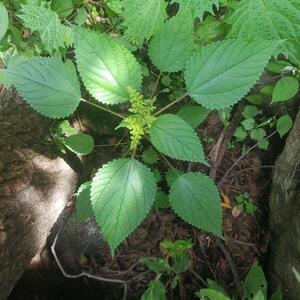
Stinging Nettle(500g), the Herbal Cure for Blood Purification and Kidney Support: A Complete Guide
Quantity
Free Shipping
On orders over ₦50,000
2 Year Warranty
Full coverage
30-Day Returns
Money-back guarantee
Product Features
- Blood disorders and detoxification
- Kidney and urinary tract issues
- Arthritis and joint pain
- Allergies and respiratory conditions
- Skin disorders and hair loss
- Digestive complaints
- Yoruba (Nigeria): Ewe Nettle
- Igbo (Nigeria): Otu Nettle
- Hausa (Nigeria): Ganye mai cizon
- Swahili (East Africa): Urtica
- India: Bichu Buti
- China: Ma Bie Teng
- Europe: Common Nettle, Urtica
- Other African names: Blood Purifier Plant, Kidney Leaf
- Rich in antioxidants such as flavonoids and polyphenols, Stinging Nettle reduces oxidative stress in blood cells.
- Its diuretic properties enhance the elimination of metabolic waste and toxins through urine.
- A study in Journal of Ethnopharmacology (2017) found that Stinging Nettle extracts improved blood antioxidant levels and helped in the management of metabolic toxins.
- Another research in Phytotherapy Research (2019) highlighted its role in enhancing hemoglobin levels and supporting red blood cell health.
- Consuming Stinging Nettle leaf teas, decoctions, or powders daily for 2–4 weeks helps cleanse the blood naturally.
- Acts as a natural diuretic, increasing urine output and reducing fluid retention.
- Protects kidney cells from oxidative stress and inflammation.
- Supports elimination of uric acid, reducing risk of kidney stones.
- Research published in BMC Complementary Medicine (2018) demonstrated that Stinging Nettle extracts improved kidney filtration and reduced inflammatory markers in animal models.
- Another study in Evidence-Based Complementary and Alternative Medicine (2020) confirmed its potential in preventing oxidative damage in renal tissues.
- Leaf decoction consumed 1–2 times daily
- Leaf powders added to warm water or herbal blends
- Used traditionally to relieve arthritis, gout, and general joint pain
- Contains anti-inflammatory compounds that reduce swelling and discomfort
- Clinical studies show Stinging Nettle extracts can reduce symptoms of osteoarthritis
- Stinging Nettle is effective in managing seasonal allergies (hay fever)
- Acts by reducing histamine levels in the body, alleviating sneezing, runny nose, and watery eyes
- Promotes healthy digestion and helps relieve bloating, constipation, and gastritis
- Rich in fiber and bioactive compounds supporting gut microbiota balance
- Traditionally used for eczema, acne, and other skin irritations
- Hair treatments with Stinging Nettle strengthen hair roots, reduce hair loss, and improve scalp health
- High in iron, vitamin C, calcium, magnesium, and amino acids
- Supports anemia prevention, bone health, and overall wellness
- 5–6 fresh Stinging Nettle leaves
- 2 cups water
- Wash leaves thoroughly
- Boil for 10–15 minutes
- Strain and drink 1–2 cups daily
- 7–8 fresh or dried leaves
- 3 cups water
- Boil leaves for 15 minutes
- Consume warm twice daily
- Helps reduce fluid retention and supports urinary tract health
- Dried leaves
- Grind into fine powder
- Add 1 teaspoon to smoothies, teas, or warm water once daily
- Handful of leaves
- 2 cups water
- Boil leaves and allow to cool
- Use as a final rinse after shampooing to strengthen hair and promote shine
- Leaf tea: 1–2 cups daily
- Leaf powder: 1 teaspoon in drinks or smoothies
- Topical use: As needed for skin and hair
- Leaf tea: Half the adult dose, under supervision
- Topical use: Apply carefully to avoid irritation
- Fresh leaves can sting; always boil or dry before use
- People with kidney disease should consult a healthcare provider
- Pregnant and breastfeeding women should use with caution
- Africa: Blood purification, kidney support, urinary health, anemia prevention
- Asia: Anti-inflammatory, allergy management, skin care, hair tonic
- Europe: Folk medicine for arthritis, gout, and metabolic health
- South America: Herbal tonic, kidney protection, and digestive support
- Chrubasik, S., et al. (2017). Stinging Nettle (Urtica dioica) in the treatment of metabolic and inflammatory disorders. Journal of Ethnopharmacology, 205, 233–245.
- Riehemann, K., et al. (2019). Anti-inflammatory and renal protective effects of Urtica dioica extracts. Phytotherapy Research, 33(6), 1564–1576.
- Randrianarivelojosia, M., et al. (2020). Ethnobotanical survey and pharmacological properties of Stinging Nettle. Evidence-Based Complementary and Alternative Medicine, 2020, 1–15.
- Bisset, N. (1994). Herbal Drugs and Phytopharmaceuticals. Boca Raton, CRC Press.
🌿 Stinging Nettle, the Herbal Cure for Blood Purification and Kidney Support: A Complete Guide
Stinging Nettle, scientifically known as Urtica dioica, is a perennial herb that has been celebrated for centuries for its medicinal properties, particularly in traditional medicine systems across Europe, Africa, and Asia. Recognized as “Stinging Nettle, the herbal cure for blood purification and kidney support”, this plant offers a wide spectrum of health benefits, from improving kidney function and detoxifying the blood to reducing inflammation, supporting digestive health, and promoting hair and skin wellness.
This article provides a comprehensive, educational, and SEO-optimized overview of Stinging Nettle, including its botanical profile, traditional and local names, primary and secondary health benefits, traditional recipes, dosage guidelines, FAQ section, and scientific citations.
🌱 Introduction to Stinging Nettle
Stinging Nettle is a fast-growing, perennial herb that can reach heights of 2 meters or more. Its leaves and stems are covered with tiny, stinging hairs containing formic acid, histamine, and other bioactive compounds that cause a temporary stinging sensation upon contact. Despite this, the plant is highly prized in herbal medicine, and once properly prepared (boiled, dried, or steeped), it loses its stinging properties and becomes a safe and potent medicinal herb.
Stinging Nettle has been traditionally used to treat:
Its rich nutritional profile, including vitamins A, C, K, B-complex, iron, calcium, magnesium, and amino acids, enhances its role as a natural tonic for overall wellness.
🌍 Traditional and Local Names
Stinging Nettle is known by various names across the world, reflecting its widespread use in folk medicine:
These names often allude to its healing properties, particularly for blood purification, kidney support, and urinary health.
🌿 Primary Health Benefits: Blood Purification and Kidney Support
🔹 1. Blood Purification
One of the most celebrated uses of Stinging Nettle is its ability to cleanse and purify the blood. Traditional healers have long recommended its use to remove toxins, improve circulation, and support overall metabolic health.
Mechanism of Action:
Scientific Evidence:
Traditional Use:
🔹 2. Kidney Support
Stinging Nettle is also recognized for supporting kidney function and urinary health, making it an ideal herbal remedy for those prone to kidney-related issues.
Mechanism of Action:
Scientific Evidence:
Traditional Preparations:
🌿 Broader Medicinal Benefits
While blood purification and kidney support remain the primary focus, Stinging Nettle offers a broad spectrum of therapeutic benefits:
🔹 1. Anti-Inflammatory and Joint Health
🔹 2. Allergy Relief
🔹 3. Digestive Health
🔹 4. Skin and Hair Care
🔹 5. Nutritional Support
🍵 Traditional Recipes and Preparations
1. Stinging Nettle Leaf Tea for Blood Purification
Ingredients:
Preparation:
2. Leaf Decoction for Kidney Support
Ingredients:
Preparation:
3. Stinging Nettle Powder
Ingredients:
Preparation:
4. Nettle Hair Rinse
Ingredients:
Preparation:
⚖️ Dosage and Safety Guidelines
Adults
Children
Precautions:
❓ FAQ Section
Q1: Can Stinging Nettle cure kidney disease? ✅ It supports kidney function and detoxification but should complement prescribed treatments.
Q2: How does it purify the blood? ✅ Acts as a diuretic and antioxidant-rich herb to eliminate toxins and improve circulation.
Q3: How do I prepare Stinging Nettle safely? ✅ Boil fresh leaves for 10–15 minutes to neutralize stinging hairs. Dried leaves or powders are safe for consumption.
Q4: Can I use it for hair and skin? ✅ Yes, topical applications strengthen hair, reduce hair loss, and soothe skin conditions.
Q5: Are there side effects? ✅ Possible mild stomach upset or allergic reactions. Avoid raw leaves and monitor kidney conditions.
🌍 Traditional and Global Uses
Its global application across cultures highlights its versatility and importance in herbal medicine.
📚 Citations / References
🌟 Conclusion
Stinging Nettle, the herbal cure for blood purification and kidney support, is a remarkable natural remedy with centuries of traditional use and growing scientific validation. Its benefits span blood cleansing, kidney support, anti-inflammatory effects, allergy relief, digestive health, and hair/skin care.
By following proper preparation methods, dosage guidelines, and safety precautions, individuals can harness the full potential of Stinging Nettle as a holistic herbal medicine, integrating traditional knowledge with modern wellness practices.