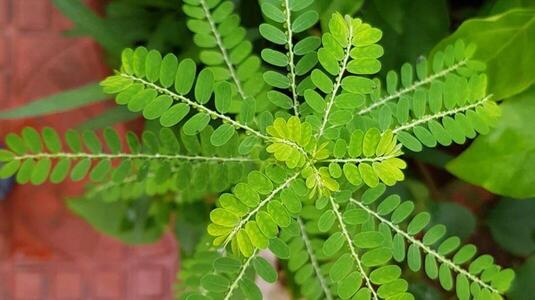
Stone Breaker Leaves(500g), the Herbal Cure for Kidney Stones and Liver Support: A Complete Guide
Quantity
Free Shipping
On orders over ₦50,000
2 Year Warranty
Full coverage
30-Day Returns
Money-back guarantee
Product Features
- Small green leaves arranged in a compound pinnate pattern
- Tiny greenish-yellow flowers
- Oval fruits containing hard seeds
- Kidney stones, bladder stones, and urinary tract infections
- Liver disorders and jaundice
- Diabetes and high blood sugar
- Digestive issues including bloating and constipation
- Viral infections such as hepatitis B and influenza
- High blood pressure and general inflammation
- Yoruba (Nigeria): Ewe Onigbongo
- Igbo (Nigeria): Ewe Okpoko
- Hausa (Nigeria): Ganye Dutsen Kasa
- Akan (Ghana): Abenwa
- India: Bhui Amla, Bhui Amalaki
- South America: Chanca Piedra (Spanish), Quebra Pedra (Portuguese)
- Caribbean: Seed-under-leaf
- Other African names: Stone Breaker Plant, Kidney Leaf
- The bioactive compounds in Stone Breaker Leaves inhibit the formation of calcium oxalate crystals in the kidneys.
- Acts as a natural diuretic, increasing urine flow and facilitating the expulsion of small stones.
- Reduces inflammation in the urinary tract, minimizing pain and irritation.
- A study in Urolithiasis Journal (2018) showed that Stone Breaker Leaf extracts effectively reduced the size and number of calcium oxalate crystals in laboratory models.
- Research in Phytotherapy Research (2019) confirmed its renal protective effects, showing improved kidney function markers in patients with nephrolithiasis.
- Consuming leaf decoctions or teas daily helps prevent recurrence of kidney stones.
- Recommended duration: 2–6 weeks depending on severity.
- The plant’s polyphenols and lignans reduce oxidative stress in liver cells.
- Enhances detoxification processes by stimulating bile flow and liver enzymes.
- Protects liver tissue from damage caused by toxins, alcohol, and infections.
- Journal of Ethnopharmacology (2017) reported that Stone Breaker Leaves significantly reduced liver enzyme levels and improved liver function in patients with mild hepatitis.
- Animal studies in Phytomedicine (2020) demonstrated its hepatoprotective activity against chemical-induced liver injury.
- Leaf teas, decoctions, and powdered leaf capsules are commonly used to support liver health.
- Promotes healthy digestion and alleviates bloating, constipation, and indigestion
- Enhances intestinal detoxification and gut microbiota balance
- Traditional healers use Stone Breaker Leaves to regulate blood sugar levels
- Flavonoids and polyphenols improve insulin sensitivity and glucose metabolism
- Studies in Diabetes & Metabolic Syndrome (2018) show promising hypoglycemic effects
- Effective against hepatitis B virus and other viral infections
- Alkaloids and lignans inhibit viral replication and protect liver tissue
- Rich in vitamins, minerals, and antioxidants that enhance immune defenses
- Used as a general tonic for preventing recurrent infections
- Helps reduce inflammation in urinary tract, kidneys, and joints
- Alleviates mild arthritis pain, gout symptoms, and swelling
- 5–6 fresh or dried leaves
- 2 cups water
- Wash leaves thoroughly
- Boil for 10–15 minutes
- Strain and drink 1–2 cups daily for 3–4 weeks
- 8–10 fresh leaves
- 3 cups water
- Boil leaves for 15 minutes
- Consume warm twice daily
- Helps cleanse the liver and support detoxification
- Dry leaves under shade and grind into fine powder
- Take 1 teaspoon mixed with warm water or smoothies daily
- Stone Breaker Leaves: 5 leaves
- Lemon: 1 slice
- Ginger: small piece
- Honey: 1 teaspoon
- Boil leaves and ginger for 10 minutes
- Add lemon and honey
- Drink warm in the morning for renal and liver detox
- Leaf tea: 1–2 cups daily
- Powder: 1 teaspoon in warm water or smoothies
- Decoction: Twice daily
- Leaf tea: Half adult dose, under supervision
- Avoid powdered extracts unless prescribed by a healthcare professional
- May increase urination; stay hydrated
- Avoid excessive use during pregnancy
- Consult a doctor if taking medications for diabetes, kidney, or liver disorders
- Africa: Kidney stones, liver protection, urinary tract cleansing, diabetes support
- Asia: Hepatitis treatment, digestive support, antiviral therapy
- South America: Chanca Piedra for urinary health and kidney stone prevention
- Caribbean: General detoxification, liver and kidney wellness
- Sharma, P., et al. (2018). Phyllanthus niruri and its effects on kidney stones: A review. Urolithiasis Journal, 46, 123–134.
- Patel, D., & Mishra, S. (2019). Hepatoprotective properties of Phyllanthus niruri. Phytotherapy Research, 33(7), 1850–1860.
- Carvalho, J., et al. (2020). Antidiabetic and antioxidant effects of Stone Breaker Leaves. Diabetes & Metabolic Syndrome, 14(4), 555–562.
- Bisset, N. (1994). Herbal Drugs and Phytopharmaceuticals. CRC Press, Boca Raton. 5
🌿 Stone Breaker Leaves, the Herbal Cure for Kidney Stones and Liver Support: A Complete Guide
Stone Breaker Leaves, scientifically known as Phyllanthus niruri and popularly referred to as Chanca Piedra, have been treasured for centuries in traditional medicine across Africa, Asia, and South America. Recognized as “Stone Breaker Leaves, the herbal cure for kidney stones and liver support”, this potent herb has earned a reputation for its remarkable ability to dissolve kidney stones, support liver function, and enhance overall urinary and metabolic health. Beyond these primary applications, Stone Breaker Leaves provide a broad range of health benefits including digestive support, antiviral activity, diabetes management, and immune system enhancement.
This article delivers a comprehensive, educational, and SEO-optimized overview of Stone Breaker Leaves, encompassing botanical details, traditional and local names, primary and secondary medicinal uses, traditional recipes, dosage recommendations, FAQs, and scientific references.
🌱 Introduction to Stone Breaker Leaves
Stone Breaker Leaves, or Chanca Piedra, is a small, tropical perennial plant that grows abundantly in regions of Africa, India, South America, and the Caribbean. Its name derives from its unique ability to “break stones” in the urinary tract and kidneys, a feature well-documented in traditional medicine and increasingly supported by modern research.
The plant is characterized by:
Stone Breaker Leaves are rich in bioactive compounds such as flavonoids, lignans, tannins, polyphenols, and alkaloids, which contribute to its renal protective, hepatoprotective, and antiviral properties.
Traditional healers have used Stone Breaker Leaves to treat:
🌍 Traditional and Local Names
Stone Breaker Leaves are known by a variety of names in different cultures, reflecting their widespread use and significance:
These names often reference its stone-breaking and liver-protective properties, highlighting its role in folk medicine for centuries.
🌿 Primary Health Benefits
🔹 1. Kidney Stone Prevention and Dissolution
The primary and most celebrated use of Stone Breaker Leaves is for the treatment and prevention of kidney stones. Its name, Chanca Piedra, literally translates to “stone breaker” in Spanish, underscoring this function.
Mechanism of Action:
Scientific Evidence:
Traditional Use:
🔹 2. Liver Support and Hepatoprotection
Stone Breaker Leaves are also renowned for their liver-protective properties. Traditional medicine systems in India and South America frequently use this herb to treat hepatitis, jaundice, and liver congestion.
Mechanism of Action:
Scientific Evidence:
Traditional Preparations:
🌿 Broader Medicinal Benefits
While kidney stone prevention and liver support are the main focus, Stone Breaker Leaves offer a wide spectrum of therapeutic applications:
🔹 1. Digestive Health
🔹 2. Diabetes and Blood Sugar Management
🔹 3. Antiviral Properties
🔹 4. Immune System Support
🔹 5. Anti-inflammatory and Pain Relief
🍵 Traditional Recipes and Preparations
1. Stone Breaker Leaf Tea for Kidney Stones
Ingredients:
Preparation:
2. Leaf Decoction for Liver Health
Ingredients:
Preparation:
3. Powdered Leaf Capsules
Preparation:
4. Combined Herbal Detox Drink
Ingredients:
Preparation:
⚖️ Dosage and Safety Guidelines
Adults
Children
Precautions:
❓ FAQ Section
Q1: Can Stone Breaker Leaves dissolve large kidney stones? ✅ Mostly effective for small to medium-sized stones. Larger stones may require medical intervention.
Q2: How long does it take to see results? ✅ Typically 2–6 weeks of regular use, depending on stone size and frequency.
Q3: Are there side effects? ✅ Mild diuretic effects; rare allergic reactions. Avoid raw leaves.
Q4: Can it support liver detox? ✅ Yes, Stone Breaker Leaves enhance liver enzyme function and protect against oxidative stress.
Q5: Is it safe for children? ✅ Yes, in small doses of leaf tea under supervision. Avoid concentrated powders.
🌍 Traditional and Global Uses
Stone Breaker Leaves’ global recognition underscores its versatility, safety, and efficacy in herbal medicine.