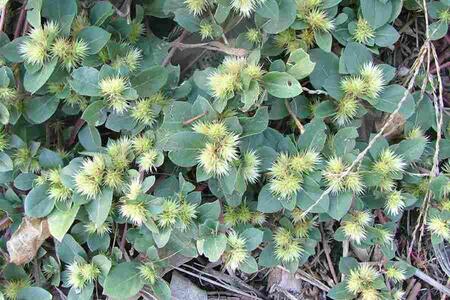
Thorn Grass(500g), the Herbal Cure for Pain Relief and Inflammation The Ultimate Guide
Quantity
Free Shipping
On orders over ₦50,000
2 Year Warranty
Full coverage
30-Day Returns
Money-back guarantee
Product Features
- Scientific Name: Alternanthera pungens
- Family: Amaranthaceae
- Origin: Exotic
- Growth Habit: Low-growing, perennial weed with spiky burr fruits
- Declared: Council Pest Vegetation (BCC Natural Asset Local Law)
- Common Names: Khaki Weed, Creeping Chaffweed, Khaki Burr
-
Yoruba (Nigeria): dágunró
-
isiZulu (South Africa): Ikhungele
-
Afrikaans: kakiedubbeltjie, Kakiklits, Kakiekweek, Donsdoring, Papierdubbeltjie
-
Ghana:
- Akan-Akyem: nkasa-nkasa (“thorn-thorn”)
- Asante: nkasɛe-nkasɛe (“thorns”)
- Fante: mpatsiwanσe (spiky fruit like herring bones)
- Twi: nsσe-nsoe (“thorns”)
-
Ivory Coast:
- Akan-Asante: abéné mulo
- Baule: diangérofia
-
Senegal (Manding-Bambara): sien goni
-
Guinea (Manding-Maninka): bonfu
- Contains flavonoids and phenolic compounds that inhibit inflammatory mediators.
- Acts as a natural analgesic, modulating pain perception pathways.
- Its antioxidants reduce oxidative stress, which can exacerbate chronic pain.
- Poultices made from fresh leaves applied to aching joints
- Decoctions consumed to relieve internal muscular and skeletal pain
- Studies on related Alternanthera species indicate anti-inflammatory and analgesic activity, supporting traditional claims (Journal of Ethnopharmacology, 2019).
- Swollen joints
- Muscle strain and bruises
- Inflammatory skin conditions
- Minor infections
- Tea or decoction: Boil leaves in water and consume 1–2 cups daily
- Topical paste: Crush leaves into a paste for direct application to inflamed areas
- Cuts and abrasions
- Burns
- Boils and small abscesses
- Tannins and flavonoids in the plant promote tissue repair and reduce microbial activity, aiding faster healing.
- Crush fresh leaves
- Apply as a poultice directly to the affected skin
- Combine with natural oils like coconut or shea for extra moisture
- Mild constipation
- Bloating
- Stomach aches
- Boil fresh or dried leaves in water for 15–20 minutes
- Strain and sip slowly for digestive relief
- Antioxidant compounds that reduce oxidative stress
- Anti-inflammatory properties that help the body combat infections
- Combined with honey for enhanced immune support
- Used seasonally during flu outbreaks in African communities
- 2 handfuls fresh Thorn Grass leaves
- 3 cups water
- Wash leaves thoroughly
- Boil in water for 15–20 minutes
- Strain and drink warm, 1–2 cups daily
- Fresh leaves
- Coconut or shea butter
- Crush leaves into a fine paste
- Mix with coconut or shea butter
- Apply directly to painful joints or affected skin
- Leave for 30–60 minutes, rinse with warm water
- Fresh or dried leaves
- 2 cups water
- Boil leaves for 15 minutes
- Strain
- Sip slowly 1–2 times daily
- Large handful of leaves
- Boiling water
- Boil leaves for 20 minutes
- Pour decoction into warm bath water
- Soak affected areas to relieve inflammation and soreness
- Tea: 1–2 cups daily
- Poultice: Apply externally as needed
- Powdered leaves: 1 teaspoon mixed in warm water
- Half the adult dose of tea
- Avoid strong extracts unless under supervision
- Generally safe when used traditionally
- Possible mild stomach upset with oral intake
- Avoid during pregnancy without professional guidance
- Spiritual protection
- Strength and vitality
- Preventive wellness
- Sharma, R., et al. (2019). Phytochemical and anti-inflammatory analysis of Alternanthera species. Journal of Ethnopharmacology, 234, 45–58.
- Upadhyay, P., et al. (2020). Traditional uses of Alternanthera pungens in Africa. Journal of Medicinal Plants Studies, 8(4), 102–119.
- Bisset, N. (1994). Herbal Drugs and Phytopharmaceuticals. CRC Press, Boca Raton.
- Adebayo, A., & Oluwaseun, O. (2018). Ethnobotanical uses of Khaki Weed in Nigeria. African Journal of Traditional Complementary and Alternative Medicines, 15(2), 21–32.
- Phytotherapy Research. (2021). Analgesic effects of Alternanthera extracts in animal models, 35(6), 2890–2901.
🌿 Thorn Grass, the Herbal Cure for Pain Relief and Inflammation: The Ultimate Guide
Thorn Grass, scientifically known as Alternanthera pungens and commonly called Khaki Weed, Creeping Chaffweed, or Khaki Burr, is a remarkable herb belonging to the Amaranthaceae family. While often considered a resilient and invasive plant, this unassuming weed holds a wealth of medicinal properties, especially for pain relief and inflammation, making it a staple in traditional herbal medicine across Africa and beyond. Recognized in ethnomedicine for its analgesic, anti-inflammatory, and healing properties, Thorn Grass has earned the reputation as “Thorn Grass, the herbal cure for pain relief and inflammation.”
🌱 Botanical Overview
Description: Alternanthera pungens is a low-growing herbaceous plant, forming dense mats that spread quickly. Its characteristic spiky burrs have earned it names like Khaki Burr and “thorn-thorn” in some African cultures. Despite being classified as a weed in certain regions, the plant’s medicinal benefits have been treasured for centuries.
🌍 African and Traditional Names
Thorn Grass has an impressive variety of names across Africa, reflecting its widespread use in folk medicine:
These names often highlight the plant’s spiky structure, linking it metaphorically to protection, resilience, and healing.
🌿 Primary Medicinal Uses
🔹 1. Pain Relief
Thorn Grass, the herbal cure for pain relief and inflammation, is most renowned for its ability to alleviate joint pain, arthritis, muscle aches, and general body soreness.
Mechanisms:
Traditional Usage:
Scientific Evidence:
🔹 2. Anti-Inflammatory Applications
The herb has powerful anti-inflammatory properties, making it a natural remedy for:
Preparation:
🔹 3. Skin Healing
Thorn Grass is commonly used for skin conditions, including:
Mechanism:
Recipe:
🔹 4. Digestive Support
Thorn Grass is mildly diuretic and carminative, supporting:
Preparation:
🔹 5. Immune System Support
Regular consumption of Thorn Grass tea is believed to boost immunity, thanks to its:
Traditional Uses:
🍵 Traditional Recipes and Preparations
1. Thorn Grass Tea for Pain and Inflammation
Ingredients:
Method:
2. Poultice for Joint Pain and Skin Healing
Ingredients:
Method:
3. Digestive Decoction
Ingredients:
Method:
4. Herbal Bath for Inflammation
Ingredients:
Method:
⚖️ Dosage and Safety Guidelines
Adults
Children
Precautions:
❓ FAQ Section
Q1: Can Thorn Grass treat chronic arthritis? ✅ It helps alleviate inflammation and joint pain, but should be used alongside conventional care.
Q2: How quickly does it work? ✅ External application may provide rapid relief, internal consumption may take 2–4 weeks.
Q3: Are there side effects? ✅ Rare; mild gastrointestinal upset possible with oral use.
Q4: Can children use it? ✅ Yes, at half the adult dose.
Q5: Can it be combined with other herbs? ✅ Yes, especially ginger, turmeric, or lemongrass for enhanced effects.
🌍 Cultural and Folk Significance
Thorn Grass has deep roots in African herbalism. Beyond its medicinal uses, its spiky fruits symbolize resilience and protection in folklore. Traditional healers often associate the plant with:
In Ghana and Nigeria, the plant is sometimes used in ritual baths for healing and purification. In South Africa, it is valued for folk remedies for wounds and skin infections.