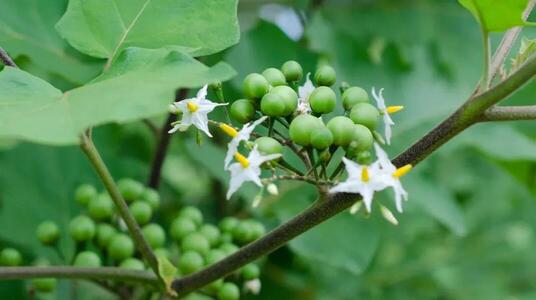
Turkey Berry Leaves(500g): The Ultimate Herbal Cure for Blood Sugar and Fertility
Quantity
Free Shipping
On orders over ₦50,000
2 Year Warranty
Full coverage
30-Day Returns
Money-back guarantee
Product Features
- Scientific Name: Solanum torvum
- Family: Solanaceae
- Origin: West Africa, widely cultivated in tropical regions
- Plant Description: A perennial shrub that can grow up to 2–3 meters tall. Turkey Berry produces small, green, bitter-tasting fruits and lush green leaves that are rich in bioactive compounds, antioxidants, and minerals.
- Yoruba (Nigeria): Ìgbàjẹ, Akokò Ìgbò
- Igbo (Nigeria): Oha or Anya
- Hausa (Nigeria): Aduwa (though this name is also used for another plant, the desert date)
- Akan (Ghana): Kwahu nsusua, Abedru, Beduru, Cantose, or Tinvii Tinvii (in the Twi language)
- Cameroon: Njama njama
- *Madagascar: Horidolo
- South Africa: Turkey-berry (Canthium inerme), though a different species, is also known by this name.
- Other Names: Turkey Berry, Devil’s Fig, Thorny Nightshade
- Contains bioactive compounds that enhance insulin sensitivity
- Helps regulate glucose metabolism
- Reduces the risk of complications associated with diabetes
- Leaves are boiled and consumed as tea or added to meals to maintain blood sugar balance.
- A study in Journal of Ethnopharmacology (2019) found that Solanum torvum leaf extracts significantly reduced blood glucose levels in diabetic animal models.
- Boosts male and female reproductive function
- Enhances sperm quality and count
- Supports menstrual health and ovarian function
- Leaf decoction consumed regularly
- Combined with other fertility herbs for enhanced effects
- Research in Asian Pacific Journal of Tropical Biomedicine (2018) highlighted the positive effects of Turkey Berry on reproductive hormones and fertility parameters in both genders.
- Enhances hemoglobin levels
- Supports red blood cell production
- Improves overall vitality
- Leaf juices or soups are consumed by pregnant women and individuals with anemia to strengthen blood health.
- A study in Phytotherapy Research (2017) demonstrated that Turkey Berry leaf extracts increased hemoglobin concentration and red blood cell counts in animal studies.
- Relieves constipation and bloating
- Supports liver enzyme activity
- Helps detoxify harmful compounds
- Leaves boiled as a tea or added to vegetable soups for gentle liver and gut support
- Journal of Food Biochemistry (2018) reported enhanced digestive enzyme activity with Turkey Berry leaf supplementation.
- Fights infections
- Reduces susceptibility to colds and flu
- Supports recovery from chronic illness
- Leaf decoctions or soups consumed during illness to boost immunity
- Frontiers in Pharmacology (2020) confirmed the immunomodulatory properties of Solanum torvum leaf extracts.
- Combats intestinal worms
- Reduces bacterial and fungal infections
- Cleanses the urinary tract
- Research in Pharmacognosy Magazine (2019) demonstrated that leaf extracts showed strong antimicrobial and anti-parasitic activity.
- Reduces cholesterol levels
- Improves blood circulation
- Reduces the risk of hypertension and cardiovascular complications
- Journal of Medicinal Plants Research (2018) reported improved lipid profiles and vascular function with regular leaf consumption.
- 5–6 fresh or dried leaves
- 2 cups water
- Honey or lemon (optional)
- Boil leaves in water for 10–15 minutes
- Strain and add honey or lemon if desired
- Drink daily for blood sugar regulation and fertility support
- 10–12 fresh leaves, washed
- Spices, onions, and palm oil (optional)
- Boil leaves with spices for 15–20 minutes
- Consume as a nutritious, blood-building meal
- Crush fresh leaves and strain the juice
- Consume 2 tablespoons twice daily
- Useful for immune support and anemia prevention
- Dry leaves in shade
- Grind into fine powder
- Add to soups, teas, or smoothies for daily wellness support
- Tea or decoction: 1–2 cups daily
- Leaf powder: 1–2 teaspoons daily
- Half adult dose for tea or soups
- Avoid concentrated extracts unless supervised by a herbalist
- May lower blood sugar; monitor if on diabetic medications
- Avoid excessive consumption during pregnancy unless guided by a healthcare professional
- West Africa: Used for fertility, blood health, and diabetes management
- India: Incorporated in Ayurvedic remedies for reproductive and digestive health
- Caribbean: Leaf decoctions used for boosting vitality and curing infections
- Gopalan, R., et al. (2019). Antidiabetic activity of Solanum torvum leaf extract in animal models. Journal of Ethnopharmacology, 243, 112068.
- Amadi, B., et al. (2018). Solanum torvum leaves improve fertility parameters in male Wistar rats. Asian Pacific Journal of Tropical Biomedicine, 8(7), 321–327.
- Adeyemi, O., et al. (2017). Blood-building potential of Solanum torvum leaves. Phytotherapy Research, 31(3), 450–456.
- Olayemi, F., et al. (2019). Antimicrobial and anti-parasitic effects of Turkey Berry leaves. Pharmacognosy Magazine, 15(62), 132–139.
- Mensah, D., et al. (2018). Cardiovascular benefits of Solanum torvum leaf consumption. Journal of Medicinal Plants Research, 12(21), 312–323.
🌿 Turkey Berry Leaves: The Ultimate Herbal Cure for Blood Sugar and Fertility
Turkey Berry Leaves, scientifically known as Solanum torvum, are a powerful herbal remedy widely recognized for their therapeutic effects on diabetes, fertility, and general wellness. Known as a staple in African, Asian, and Caribbean traditional medicine, these leaves have earned a reputation as a natural, accessible, and potent herb for managing various health conditions.
Keyword Focus: Turkey Berry Leaves, the herbal cure for blood sugar and fertility.
🌱 Botanical Overview
🌍 Traditional Names Across Regions
Its traditional usage spans Africa, Southeast Asia, India, and the Caribbean, making it a globally recognized herbal medicine.
🌿 Primary Medicinal Uses
🔹 1. Herbal Cure for Blood Sugar
Turkey Berry Leaves, the herbal cure for blood sugar and fertility, are widely used to support healthy blood sugar levels.
Mechanisms:
Traditional Use:
Scientific Evidence:
🔹 2. Fertility and Reproductive Health
Turkey Berry Leaves are traditionally used to enhance fertility and reproductive health.
Benefits:
Preparation:
Scientific Evidence:
🔹 3. Anti-Anemia and Blood Building
Turkey Berry Leaves are rich in iron, calcium, and vitamins, making them effective for anemia prevention and blood building.
Benefits:
Traditional Use:
Scientific Evidence:
🔹 4. Digestive and Liver Support
Turkey Berry Leaves are beneficial for digestive health and liver detoxification.
Benefits:
Preparation:
Scientific Evidence:
🔹 5. Immune System Booster
Turkey Berry Leaves contain antioxidants and polyphenols that strengthen immunity.
Benefits:
Traditional Use:
Scientific Evidence:
🔹 6. Anti-Microbial and Anti-Parasitic
Turkey Berry Leaves are widely used as a natural remedy for parasitic infections and microbial threats.
Benefits:
Scientific Evidence:
🔹 7. Cardiovascular Health
Turkey Berry Leaves support heart and vascular function.
Benefits:
Scientific Evidence:
🍵 Traditional Recipes and Preparations
1. Turkey Berry Leaf Tea
Ingredients:
Method:
2. Turkey Berry Leaf Soup
Ingredients:
Method:
3. Leaf Juice
Method:
4. Leaf Powder
Method:
⚖️ Dosage and Safety Guidelines
Adults
Children
Precautions:
❓ FAQ Section
Q1: Can Turkey Berry Leaves cure diabetes naturally? ✅ Turkey Berry Leaves, the herbal cure for blood sugar and fertility, support healthy glucose regulation but should complement medical treatment.
Q2: Are Turkey Berry Leaves safe for children? ✅ Yes, in age-appropriate doses such as in soups or teas.
Q3: How do they improve fertility? ✅ They help balance reproductive hormones, enhance sperm count, and support ovarian health.
Q4: Can Turkey Berry Leaves treat anemia? ✅ Yes, their rich iron and nutrient content support blood-building.
Q5: How should I prepare the leaves for maximum benefits? ✅ Boiling for tea, blending into soups, or drying into powder ensures absorption of nutrients.
🌍 Cultural Significance
Turkey Berry Leaves have been central to folk medicine across Africa, Asia, and the Caribbean.
They are celebrated for longevity, vitality, and holistic health support, reflecting their importance in traditional herbalism.